Why we still buy records
Streaming offers almost everything. So why do so many of us still pay for twenty minutes a side?

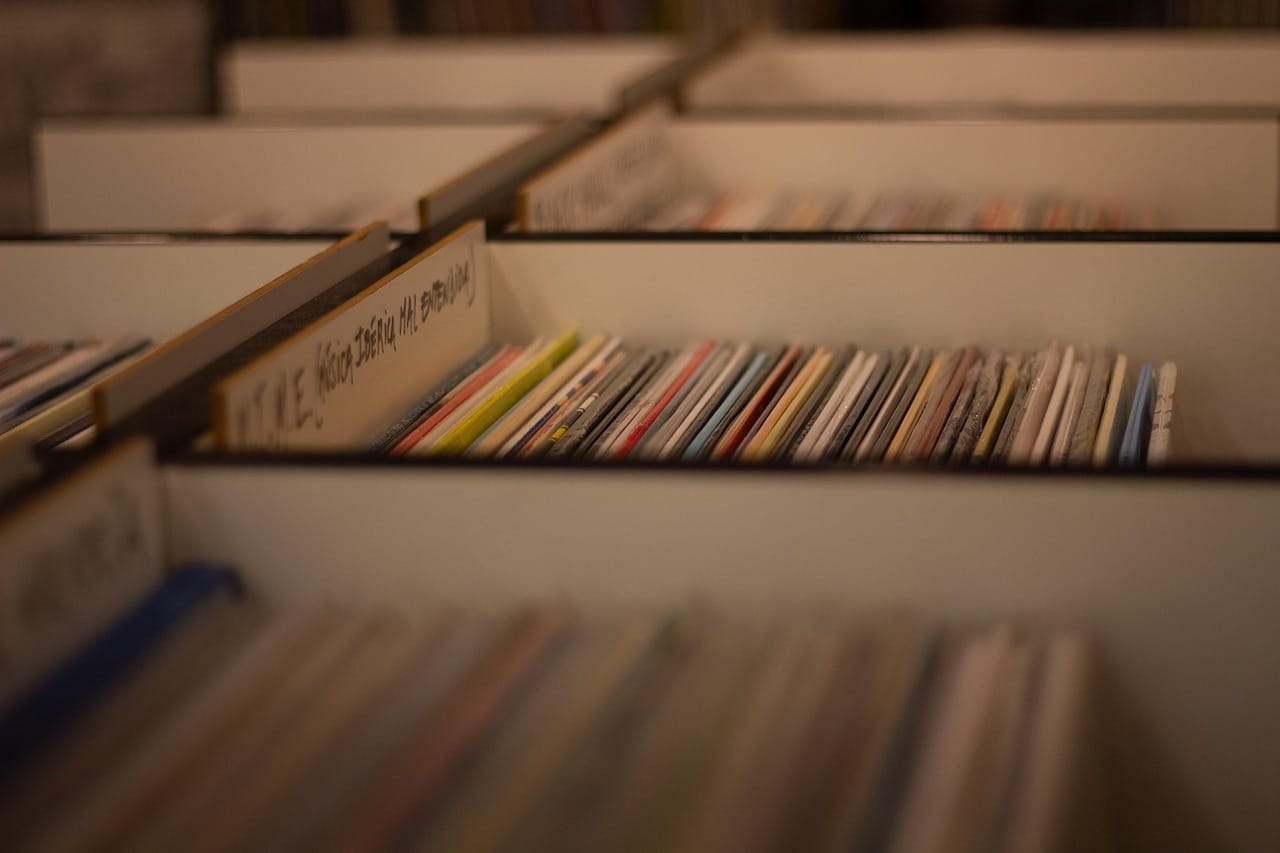
My record collection is not large. About three hundred albums, many of them bought second-hand, some of them bought twice because I forgot I already had them. I also pay for a streaming service that offers me almost every piece of music ever recorded, for less than the price of one new record a month. So why do I still buy records? I asked myself, and then I asked a dozen other people who do the same.
The side
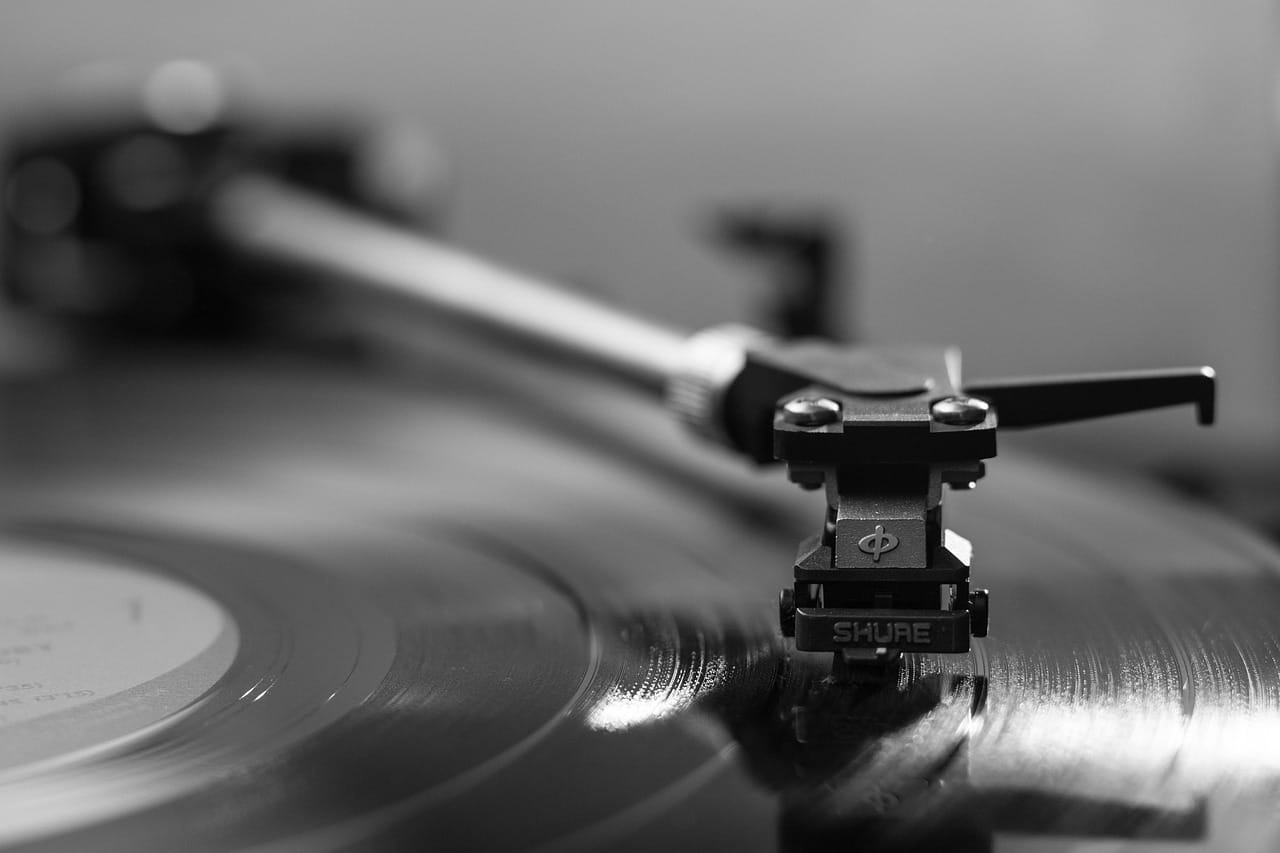
The most common answer surprised me. It was not sound quality. It was the side. A record plays for about twenty minutes, and then it stops. You have to get up, turn it over and put the needle down. That small effort changes everything. You choose to keep listening. You listen to the album in the order the musicians chose. You do not skip.
Streaming is a radio. A record is a conversation.
a shop owner in Bristol
The object
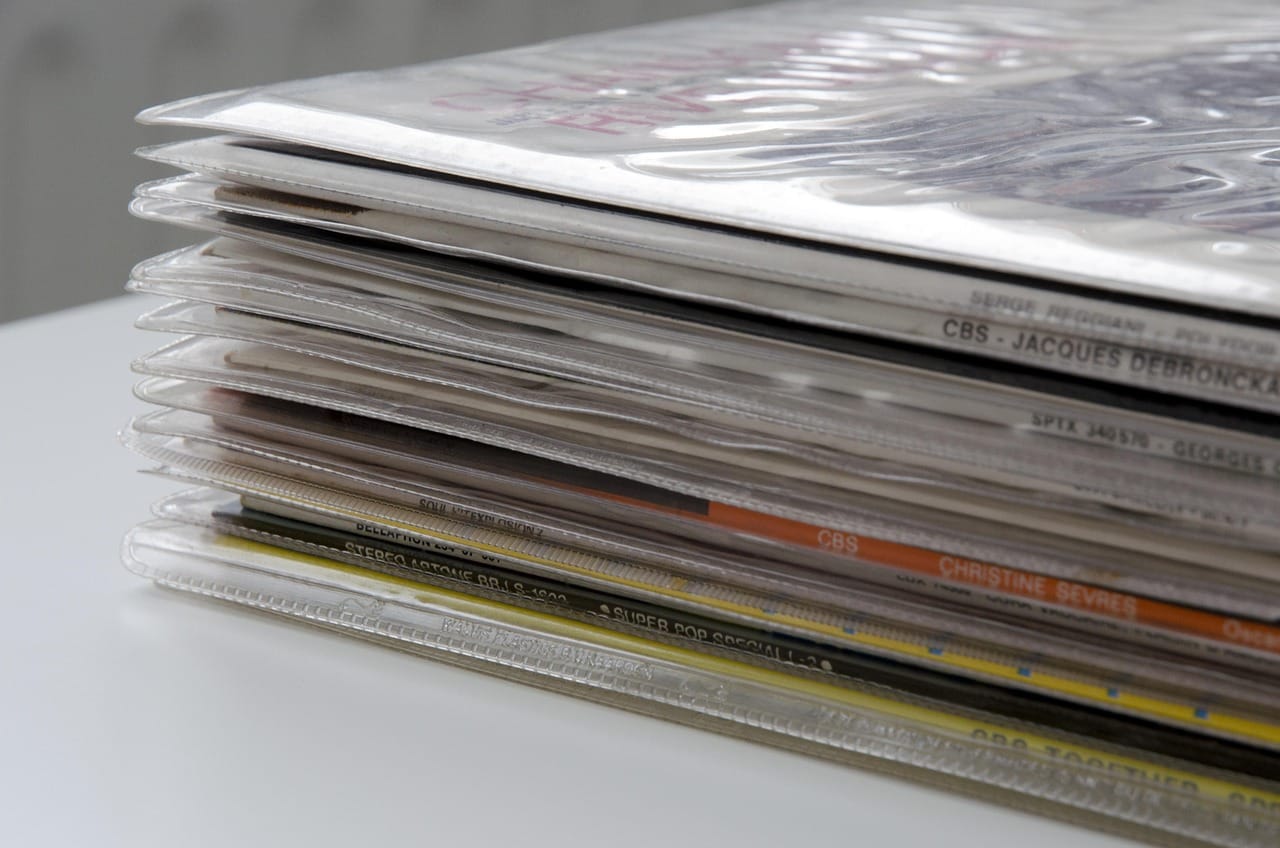
The second answer was the object. A record sleeve is thirty centimetres square: big enough for real artwork, liner notes you can actually read and photographs of the musicians in the studio. People told me they read the sleeve while the record plays, the way you might read a programme at a concert.
The shop
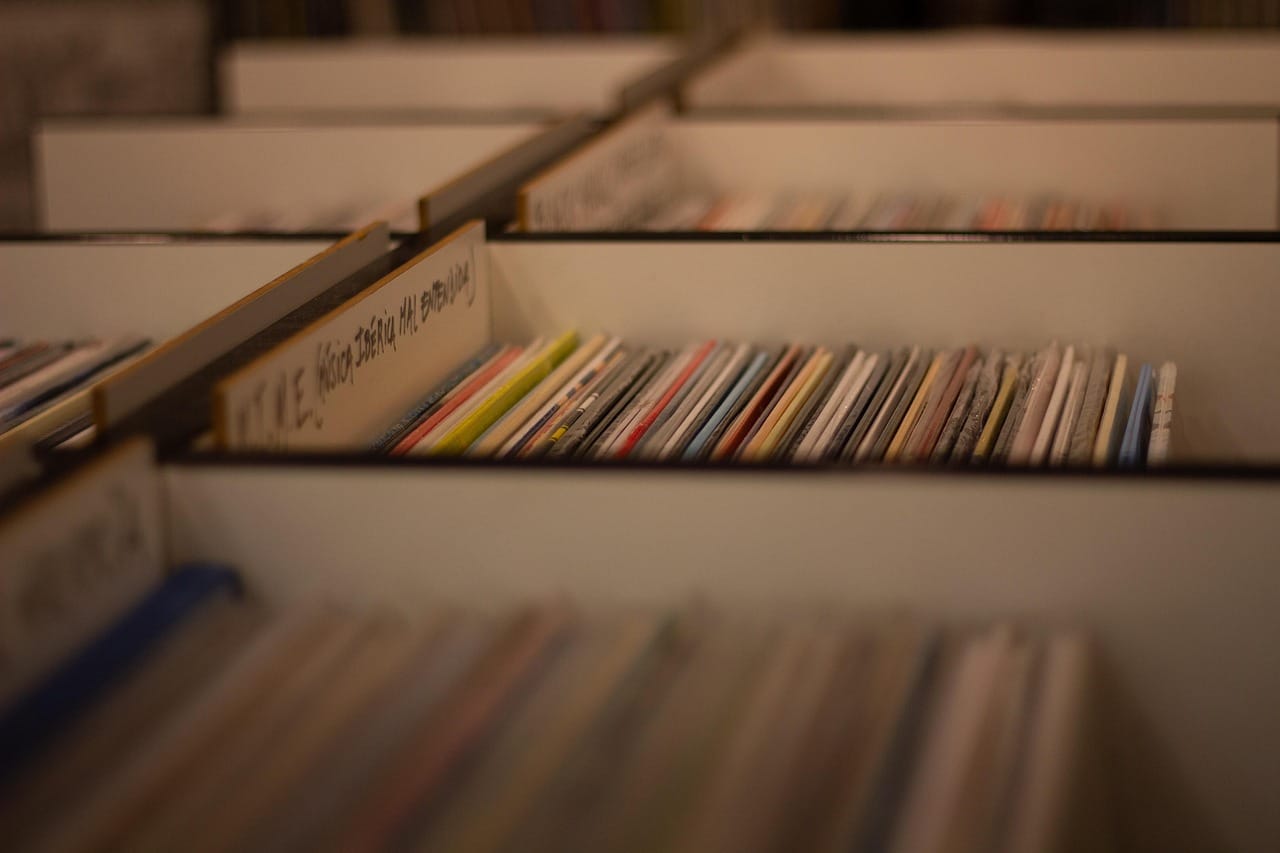
The third was the shop. Record shops, like bookshops, are places where someone who knows more than you can hand you something you did not know you wanted. Every regular I spoke to could name a record a shop owner had put in their hands, sometimes years ago, that became a favourite.
And the sound?
Some people swear records sound warmer. Others say a good digital file is technically better. Both can be true. What almost everyone agreed on was that they listen more carefully to a record, and careful listening makes anything sound better.
| Streaming | Records | |
|---|---|---|
| Choice | Almost everything | What you own |
| Cost | Low, monthly | High, per album |
| Listening | Often in the background | Usually full attention |
| Order | Shuffle, playlists | The album as made |
| Owning | Nothing | The object, for life |
Both, not either
Nobody I spoke to had stopped streaming. Most use it to discover music, and buy the records they love most. It is a bit like reading library books and buying the ones you want to keep.
A listening evening
One of the people I interviewed hosts a monthly listening evening in her flat. Six friends come. Each brings one record. The rules are simple: phones in a basket by the door, no talking while a side plays, and the person who chose the record says a few words about why before the needle goes down.
I went to one. It was one of the best evenings I have had in years. We heard a Malian guitar album, a 1970s jazz record, a folk singer from the Hebrides and, bravely, a children's record someone had loved at the age of six. Between sides we talked about the music and, soon, about everything else.
It is a kind of listening most of us have lost: together, in a room, with full attention. Records did not invent it, but their twenty-minute sides and their need to be turned over by hand seem to make space for it.
Aren't records expensive?
I bought two records this week. One of them, it turns out, I already had.