The quiet architecture of light
How a handful of architects learned to build with daylight instead of against it.

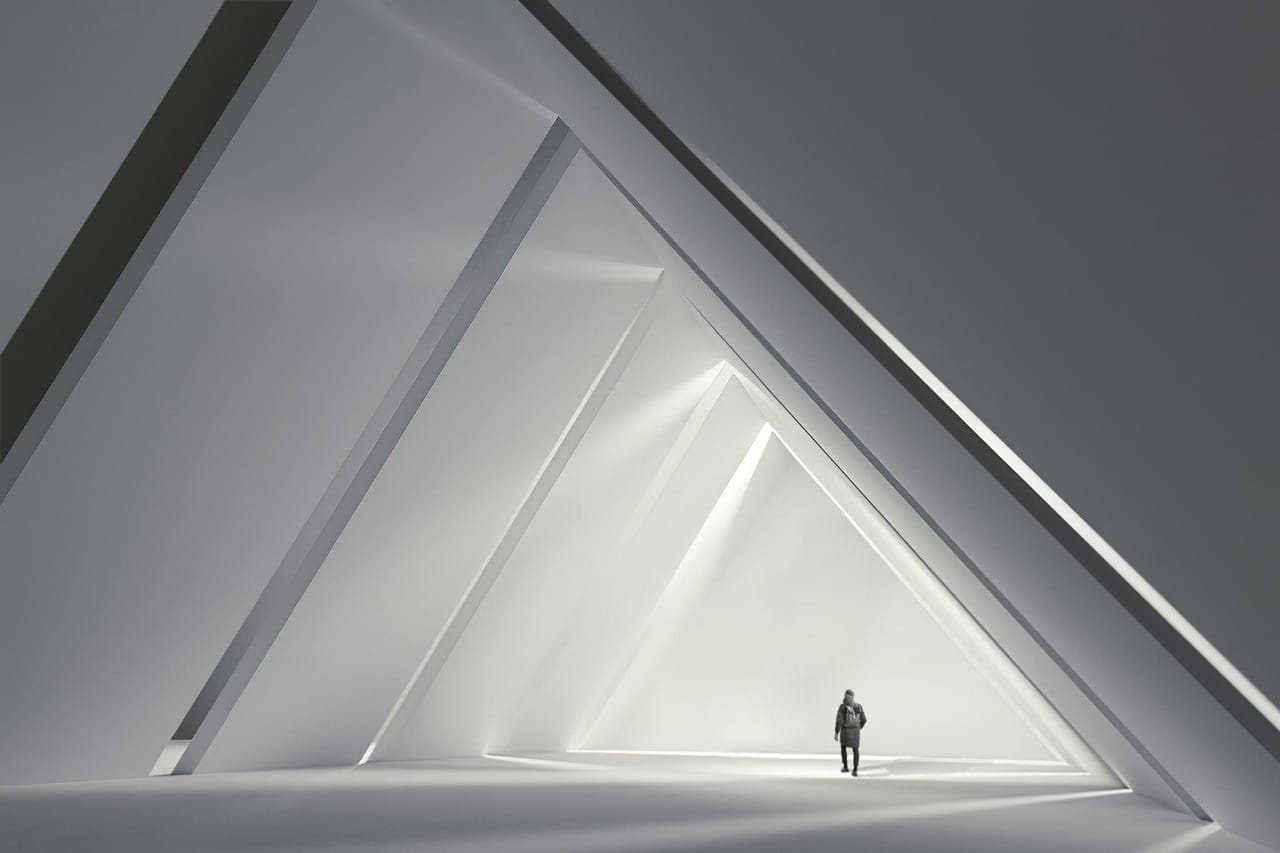
The first time I noticed it was in a church in Ronchamp. Not the building itself, but the way the light arrived: late, sideways and in no hurry at all. It came through small, deep windows cut at odd angles, and each one threw a different colour onto the white wall. I stayed for an hour and watched the colours move a few centimetres.
Architects have always talked about light, but the ones I spent this summer with talk about it the way gardeners talk about weather. It is not a finish you add at the end. It is the material you design around first.
Designing for the hour, not the room
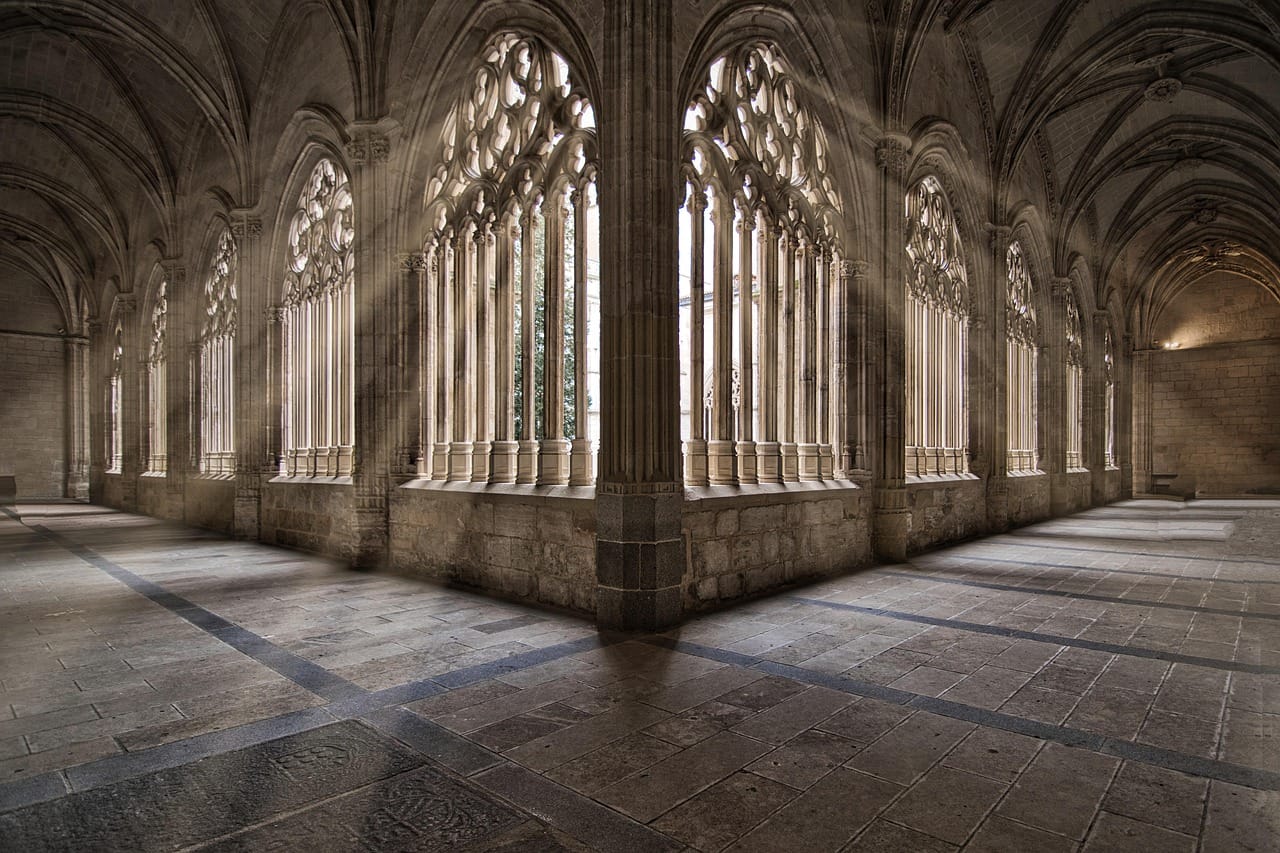
Most buildings are drawn at noon. The sun is high, the shadows are short and every render looks clean. The architects I met start somewhere else: a winter morning, a wet afternoon, the hour after dinner when the kitchen empties out and someone stays behind to read.
You cannot own daylight. You can only make a good place for it to land.
Lena Ström, architect
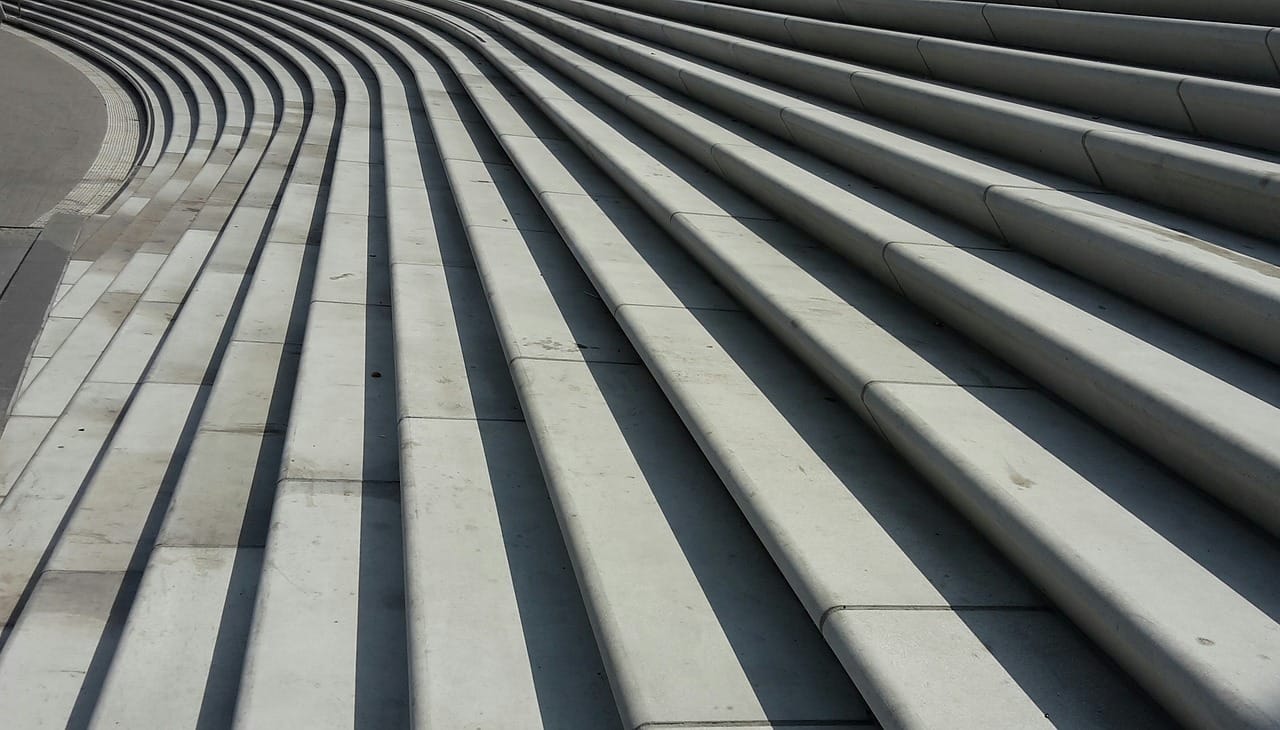
That idea changes the drawings. Windows get smaller and deeper. Walls get thicker so they can hold a glow for longer. Ceilings slope towards the light instead of away from it. A staircase becomes a place where the day passes slowly, step by step, instead of a shaft you hurry through.
The deep window
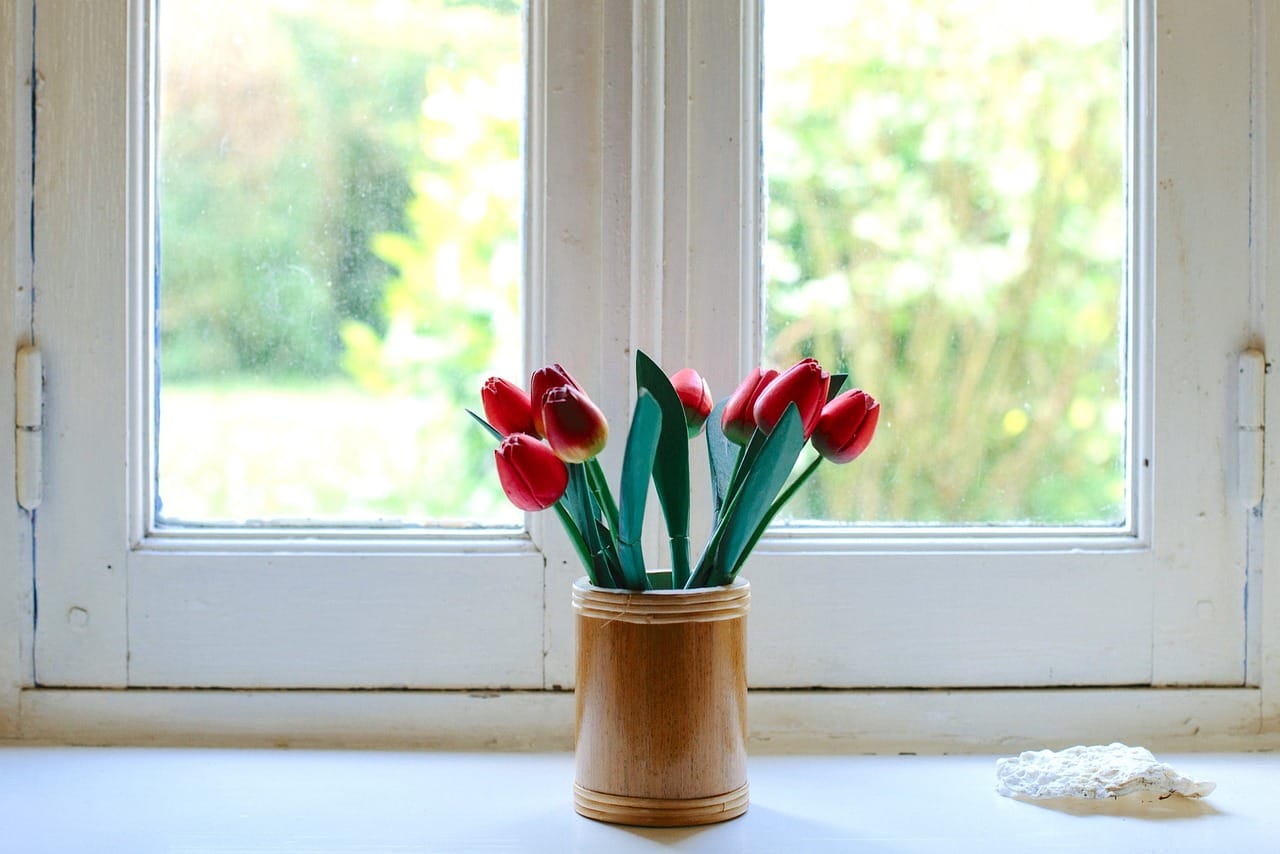
Lena's office is in an old grain store on the edge of Uppsala. The windows are a metre deep, and she has kept them that way. "A thin window gives you a view," she told me. "A deep window gives you a light." The reveal, the sloping sides of the opening, catches the sun and bounces it softly into the room. On a grey day it glows like paper.
She showed me drawings for a small house where every window has a seat built into its depth. The windows face north and east, never west. "West light is lovely for ten minutes and cruel for two hours," she said. "I would rather have a room that is always kind."
Less glass, better light
It sounds backwards, but many of the brightest rooms I visited had less glass than the ones I live in. Large glass walls let in a lot of light, but they also let in glare, heat and a flat, even brightness that makes a room feel like a waiting room. Smaller openings, placed carefully, make pools of light and pools of shade. Your eye moves between them. The room feels larger because it is not all the same.
| Opening | Light it gives | Best for |
|---|---|---|
| High window | Soft, even, no glare | Studios, kitchens |
| Deep window | Warm glow off the reveal | Reading corners |
| Low window | Light on the floor, privacy | Bedrooms, hallways |
| Roof light | Strong, moving, dramatic | Stairs, small rooms |

Light as a calendar
Light also marks the year. In the grain-store office, a patch of sun reaches the far wall only in the weeks around midwinter, when the sun is lowest. Lena has drawn a small pencil line where it lands on the shortest day. "It is the only calendar in the building," she says. Every December her team gathers at eleven in the morning to watch the light touch the line, then goes back to work.
I have started to notice the same thing at home. In June the evening sun falls on the kitchen table; in November it never reaches it, and the table moves closer to the lamp. The room is the same, but it becomes a different place with each season. Architects who design for light accept that change. They do not try to make a room look the same all year. They make a room that is good in each of its seasons, and different in each.
A house built this way asks something of the people who live in it: to move around. Breakfast in the east room, reading in the west, a winter chair near the stove. It sounds like effort. In practice it feels like following the sun, which is what people did for most of history, before the ceiling light made every hour the same.
What we can borrow
You do not need a new house to use any of this. Move the reading chair to the window you ignore. Take down the blind that is always half closed. Paint the inside of a window reveal a warm white and watch it start to glow. Let one room be dim on purpose, so the bright ones feel brighter.
Lamps matter too. The architects I met light their homes the way they design their windows: low, in pools, never from one bright point in the ceiling. "A ceiling light is a light for finding your keys," one said. "It is not a light for living."
Isn't a darker house gloomy?

The best rooms I saw this summer were not the most expensive. They were the ones where someone had paid attention to the hour.