A slow week on the lake
A cabin, a rowing boat, a shelf of paperbacks and one rule: no plans at all.
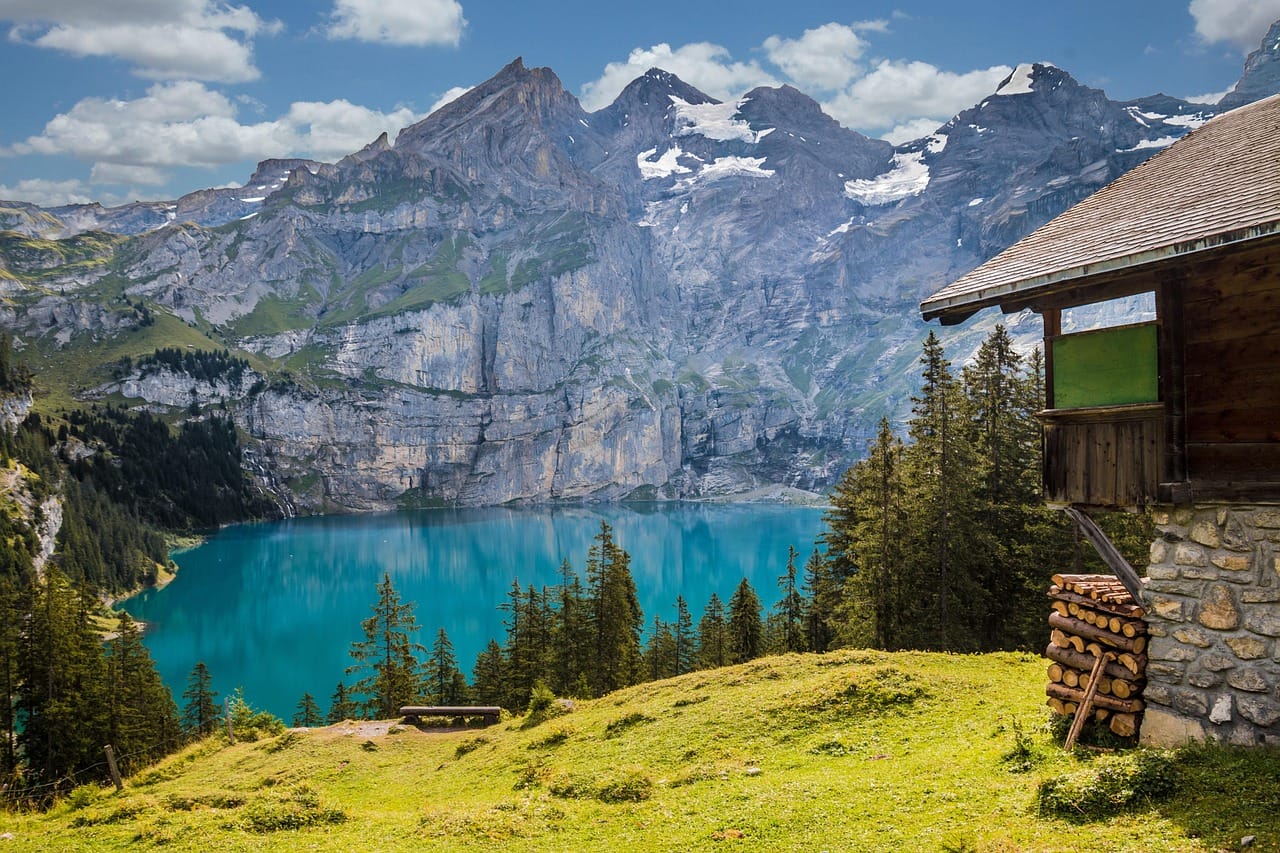
We rented the cabin for a week in late September with one rule: no plans. No list of sights, no hikes to complete, no restaurants to book. Just a lake, a rowing boat, a shelf of old paperbacks and whatever the weather decided to do.
Day one: the noise leaves slowly
It takes longer than you think to arrive somewhere. Our bodies got to the cabin on Saturday afternoon. Our heads arrived around Tuesday. The first two days, we both kept reaching for our phones to check things that did not need checking. There was only one bar of signal, at the end of the dock, and we kept walking out there like people visiting a well.
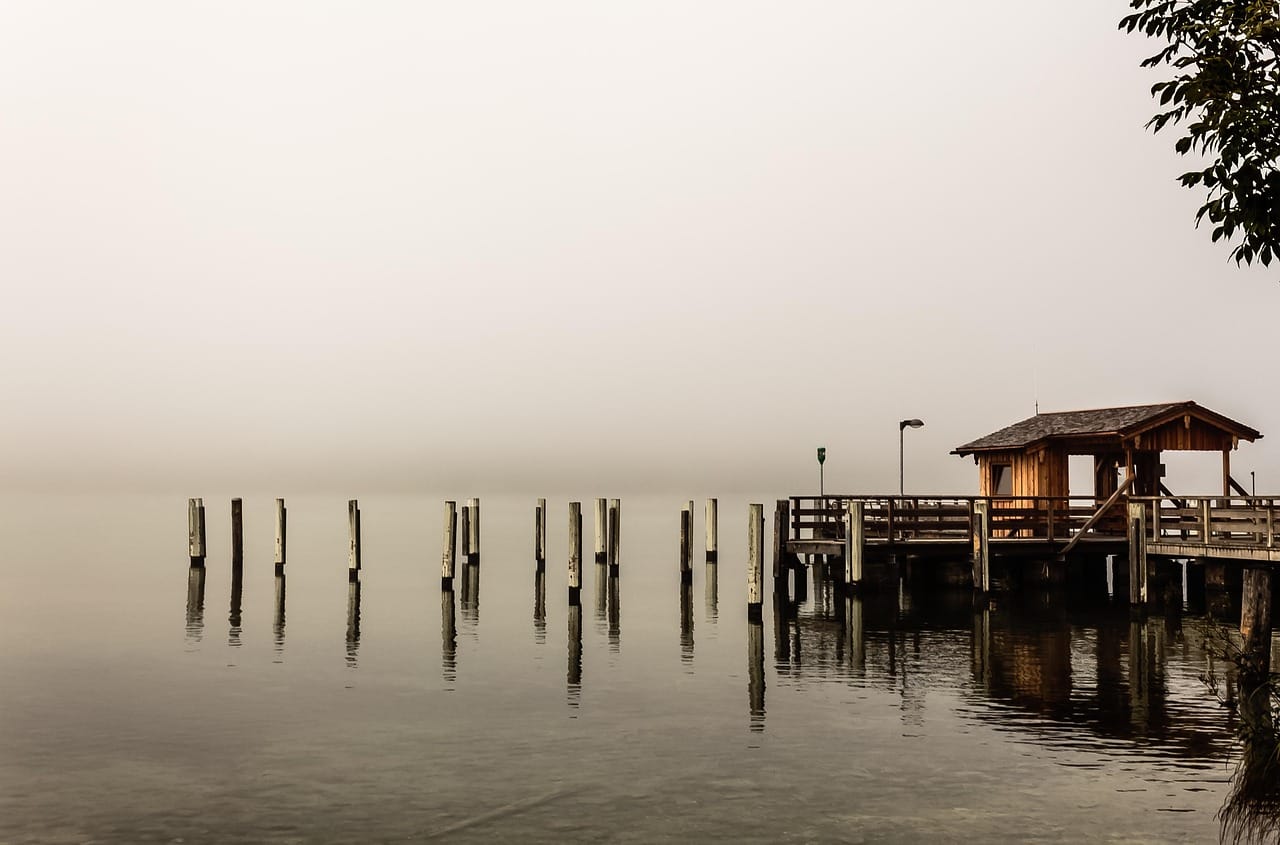
On the second evening, I left my phone in a drawer. The next morning I woke up without knowing what time it was, and it felt like a small holiday inside the holiday.
Day three: the boat
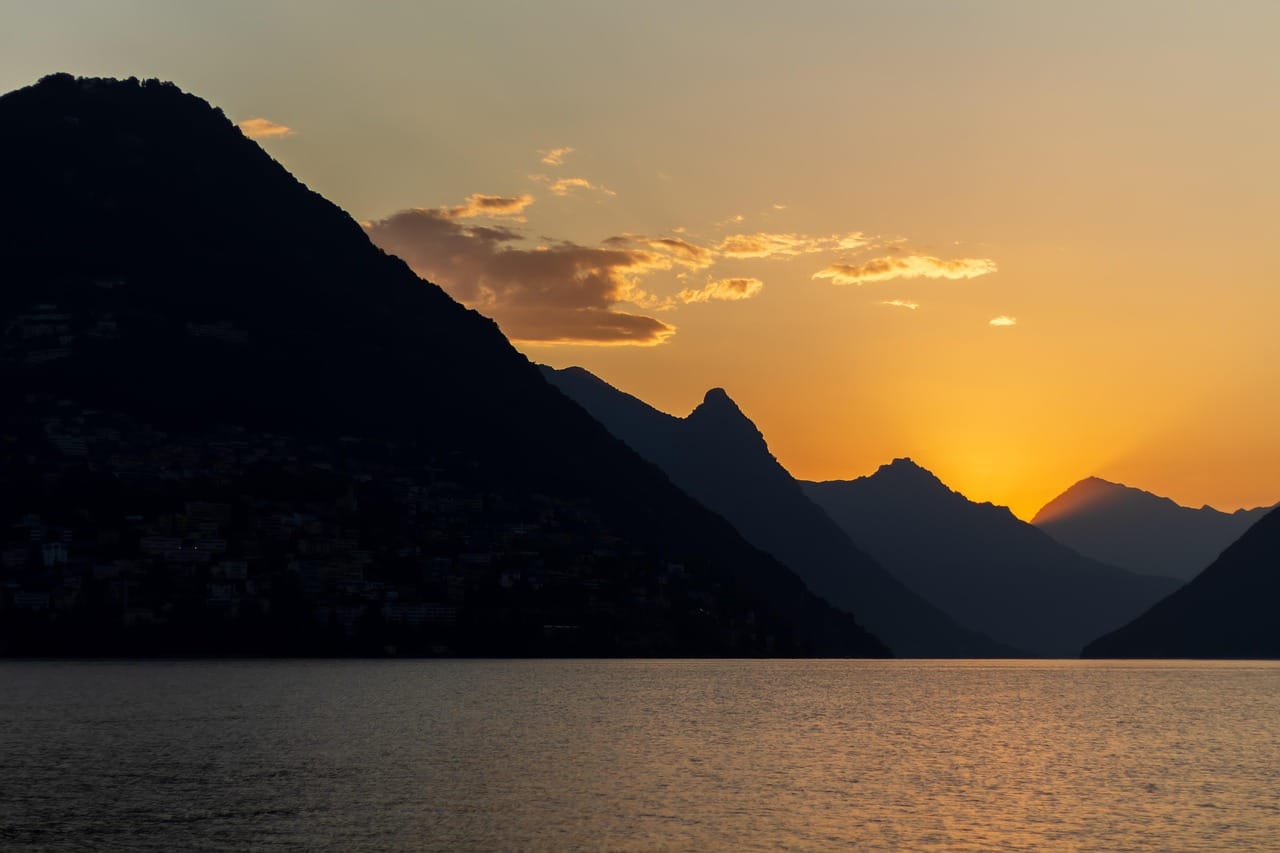
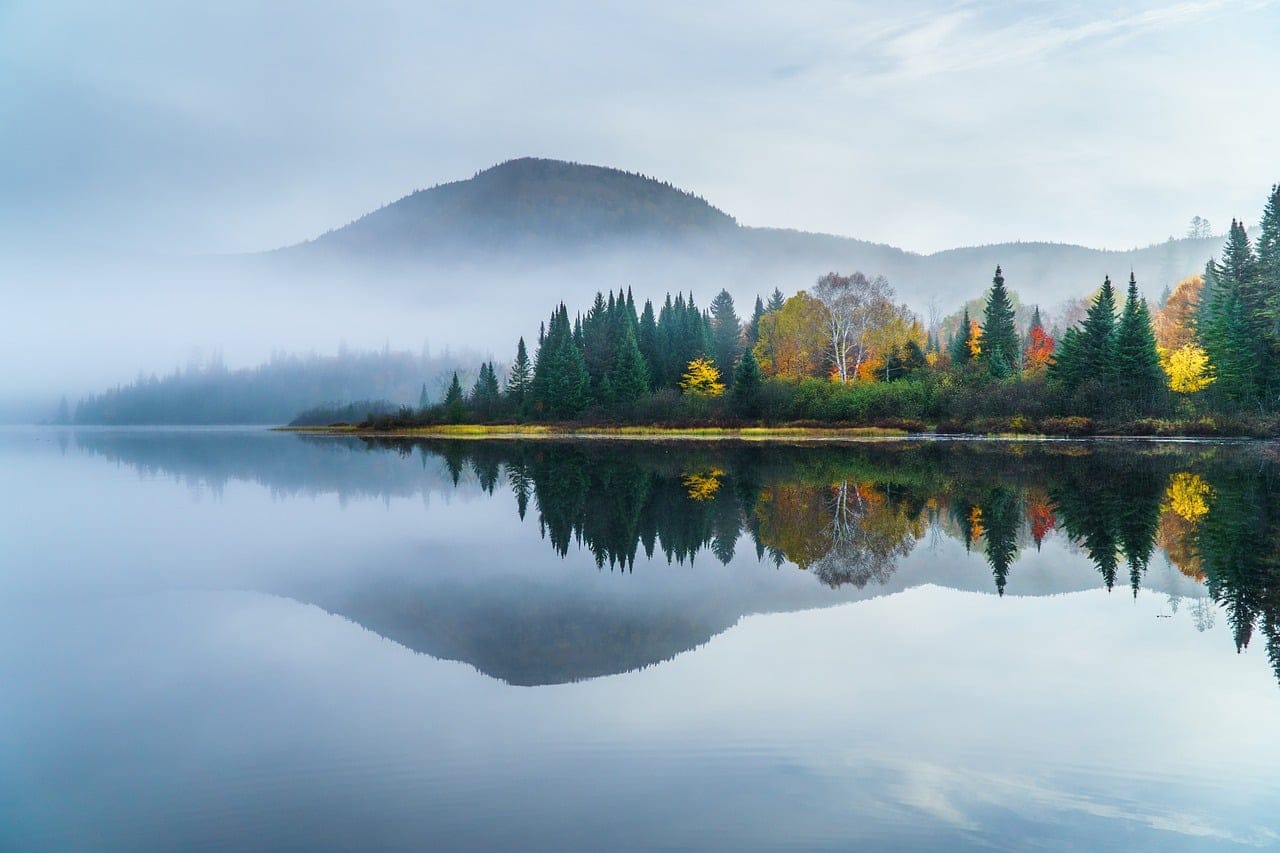
The boat was old and heavy, painted green a long time ago. The oars did not quite match. We took it out every morning after coffee, rowed to the middle of the lake and stopped. Then we did nothing. The water was so still that we could see the mountains upside down beside us. A fish jumped. A heron crossed the lake so slowly it seemed to be deciding each wingbeat.
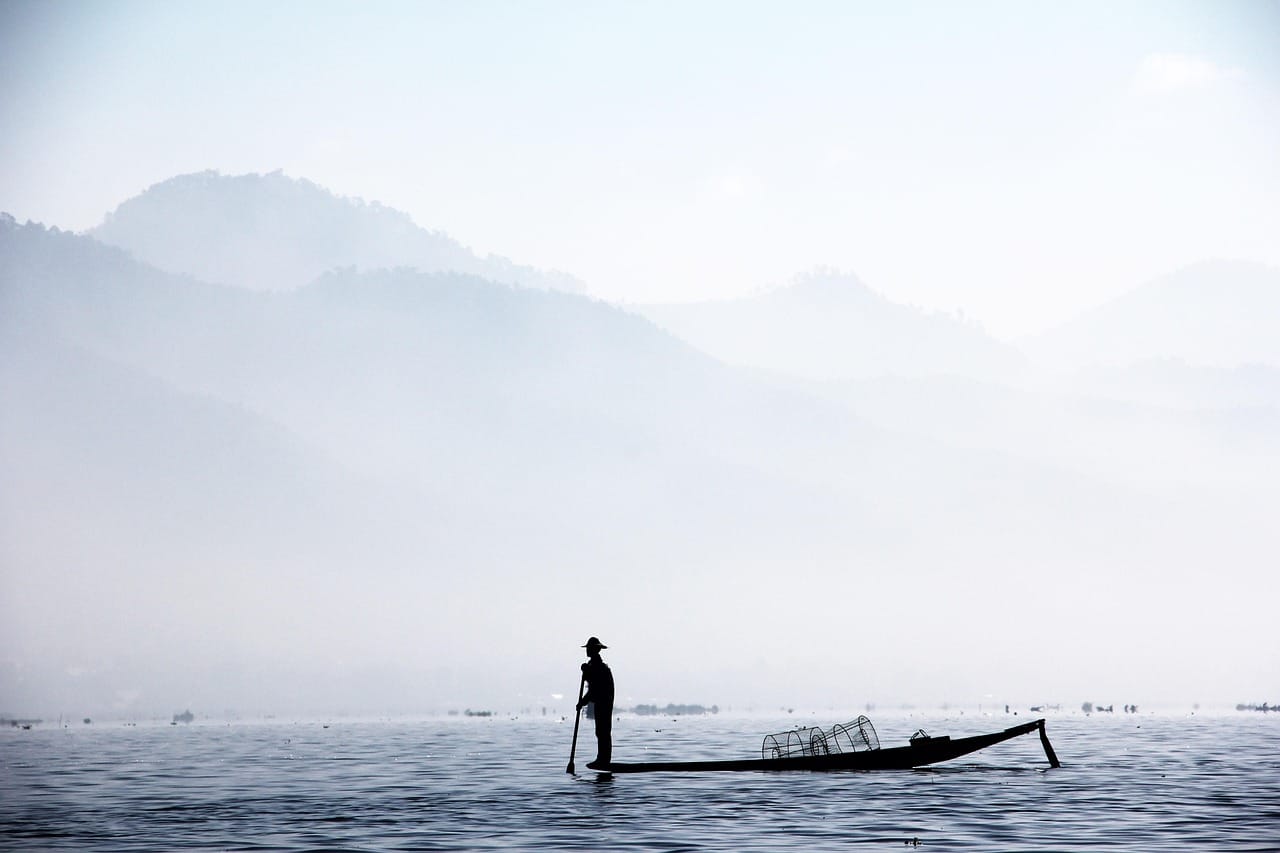
Nothing happened, and it was the best morning of the year.
Day four: rain
It rained all day. We had planned nothing, so nothing was cancelled. We lit the stove, read three of the paperbacks between us, and ate soup at four in the afternoon because we were hungry at four in the afternoon. I cannot remember the last time I ate when I was hungry, rather than when a clock told me to.
Day five: the walk that went nowhere
We followed a path along the shore without knowing where it went. It went, eventually, to a small beach with a broken bench and a view of the far end of the lake. We sat there for two hours. On the way back we found blackberries, ate too many, and came back with purple hands.
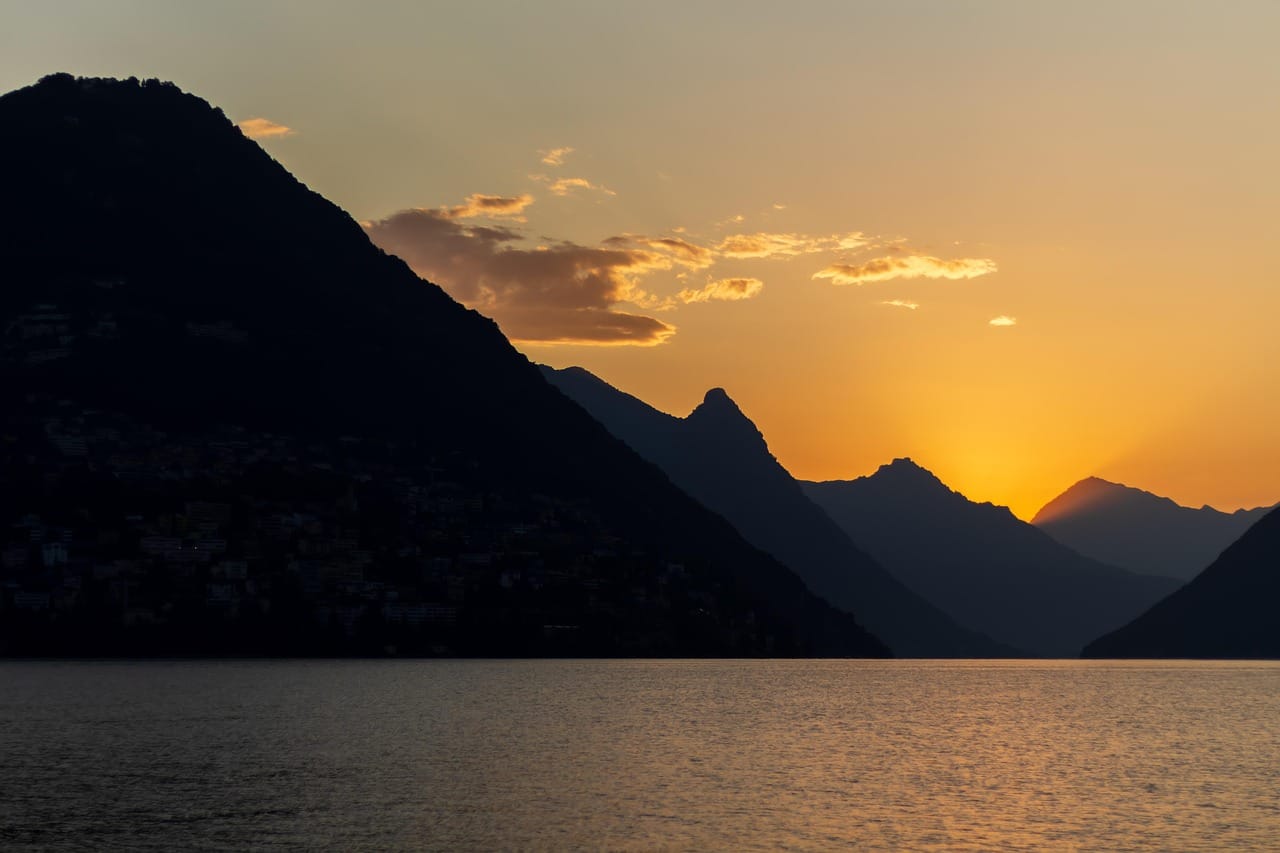
What slowing down actually felt like
I expected slowing down to feel peaceful. Mostly it felt strange, then boring, then — somewhere around the fourth day — very, very good. The boredom was the doorway. On the other side of it was a kind of attention I had forgotten: to light on water, to the sound of the rain changing on the roof, to the conversation that happens when neither of you is in a hurry.
| Day | What we planned | What we did |
|---|---|---|
| Saturday | Nothing | Arrived, unpacked, checked phones |
| Monday | Nothing | Checked phones less |
| Tuesday | Nothing | Rowed to the middle of the lake |
| Wednesday | Nothing | Read three books in the rain |
| Thursday | Nothing | Walked to a broken bench |
What we read
The shelf in the cabin had been filled by years of guests. There were thrillers with broken spines, a bird guide from 1974, three different editions of the same Russian novel and a cookbook with notes in the margins from someone called Helga, who clearly disagreed with the author about salt.
We read whatever we pulled out. I read a detective story I would never have chosen, and loved it. My partner read the bird guide from cover to cover and began naming everything on the lake, sometimes correctly. We both read Helga's notes and started cooking her way.
There is a special pleasure in reading what happens to be there. At home, I choose every book, and choosing takes energy. In the cabin the choice had been made by strangers over many summers, and it felt like a conversation with them. On the last morning I added a book of my own to the shelf, with a note inside for whoever came next.
Coming home
The noise came back within an hour of reaching the motorway. But something stayed. I row less now, obviously. But I leave the phone in a drawer on Sunday mornings, and I eat soup when I am hungry.