Where the sea keeps the time
A week of living by the tide in a Portuguese fishing village.

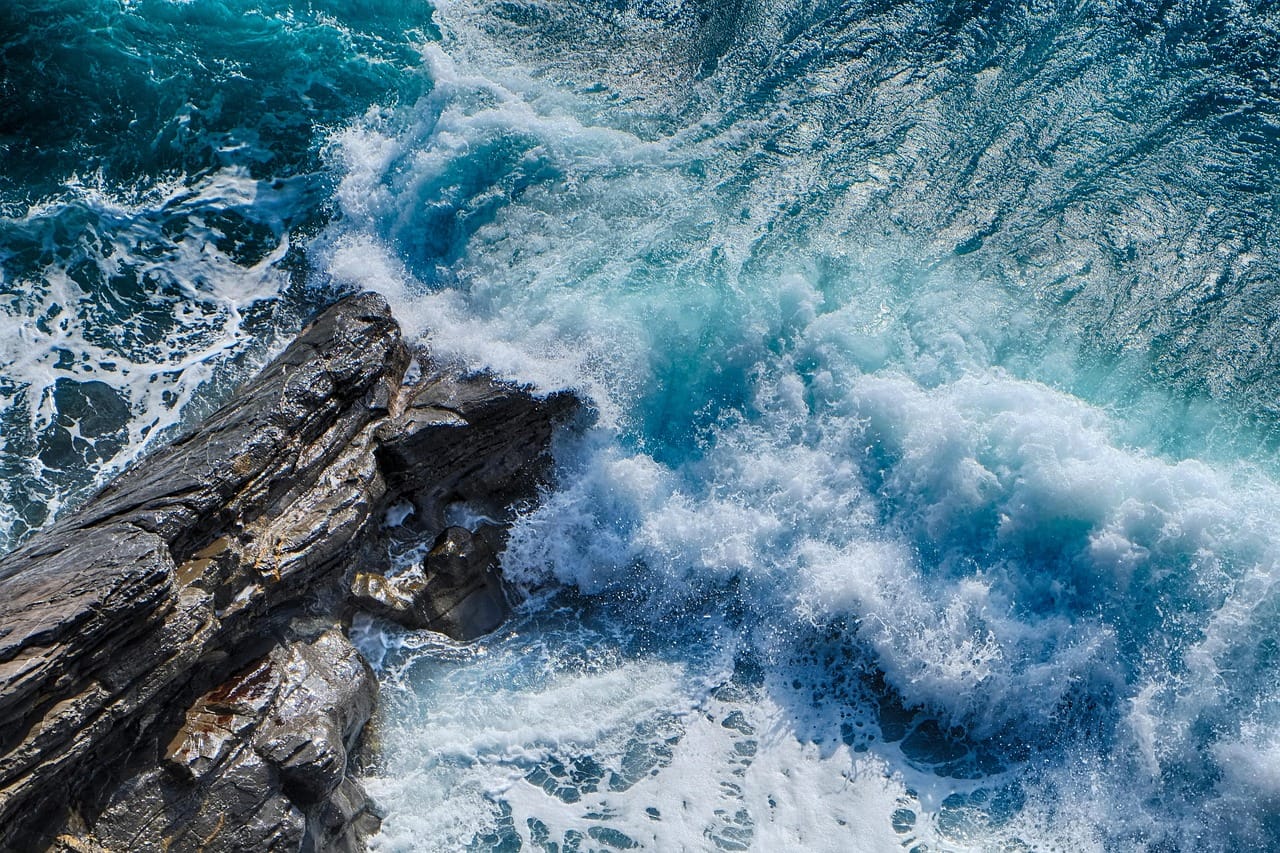
In the fishing village where my grandmother grew up, on the coast north of Lisbon, nobody used to own a watch. They did not need one. The sea told the time. High tide, low tide, the turn of the wind in the afternoon, the colour of the water before a storm. I went back this spring to see whether the sea still keeps the time there, and found that it mostly does.
Two clocks a day
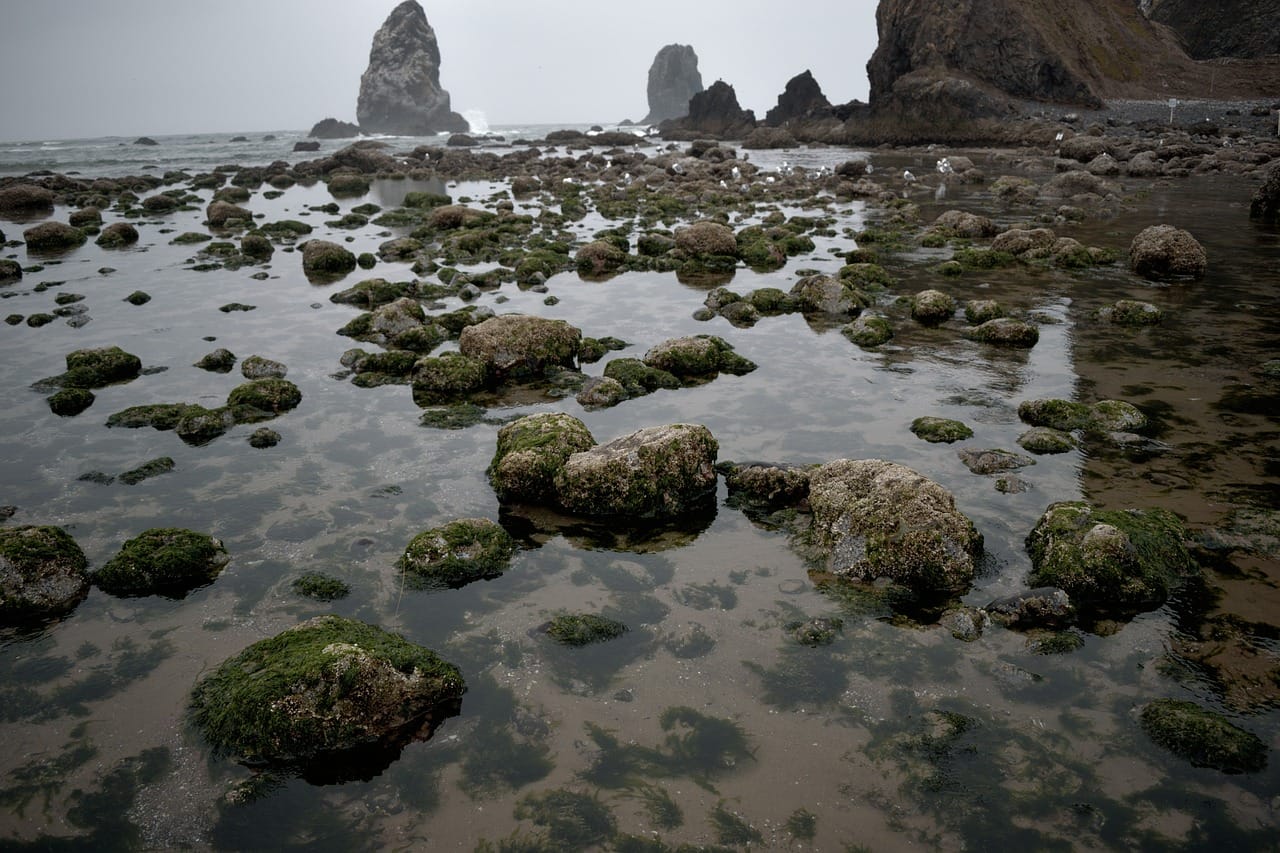
The tide rises and falls about twice a day, and each day it comes about fifty minutes later than the day before. It follows the moon, not the sun. Life in the village used to follow it too. Boats went out on the falling tide and came back on the rising one. Women gathered shellfish from the rocks at low water. Children knew, without being told, when the rock pools would appear.
We did not ask what time it was. We asked what the sea was doing.
Dona Amélia, 89
The day, measured in water
I spent a week trying to live by the tide. It was harder than I expected, because it will not match your habits. On Monday the low tide was at breakfast; by Saturday it was at lunch. I found myself eating at different times, walking at different times, swimming when the water was high and calm rather than when my calendar had a gap.
| Day | Low tide | What I did |
|---|---|---|
| Monday | 08:10 | Rock pools before breakfast |
| Wednesday | 09:55 | Walked to the lighthouse on the sand |
| Friday | 11:40 | Helped pull in a small boat |
| Sunday | 13:20 | Lunch on the rocks |
It was disorienting, then lovely. Each day had its own shape, and the shape came from outside me.
The lighthouse keeper's daughter
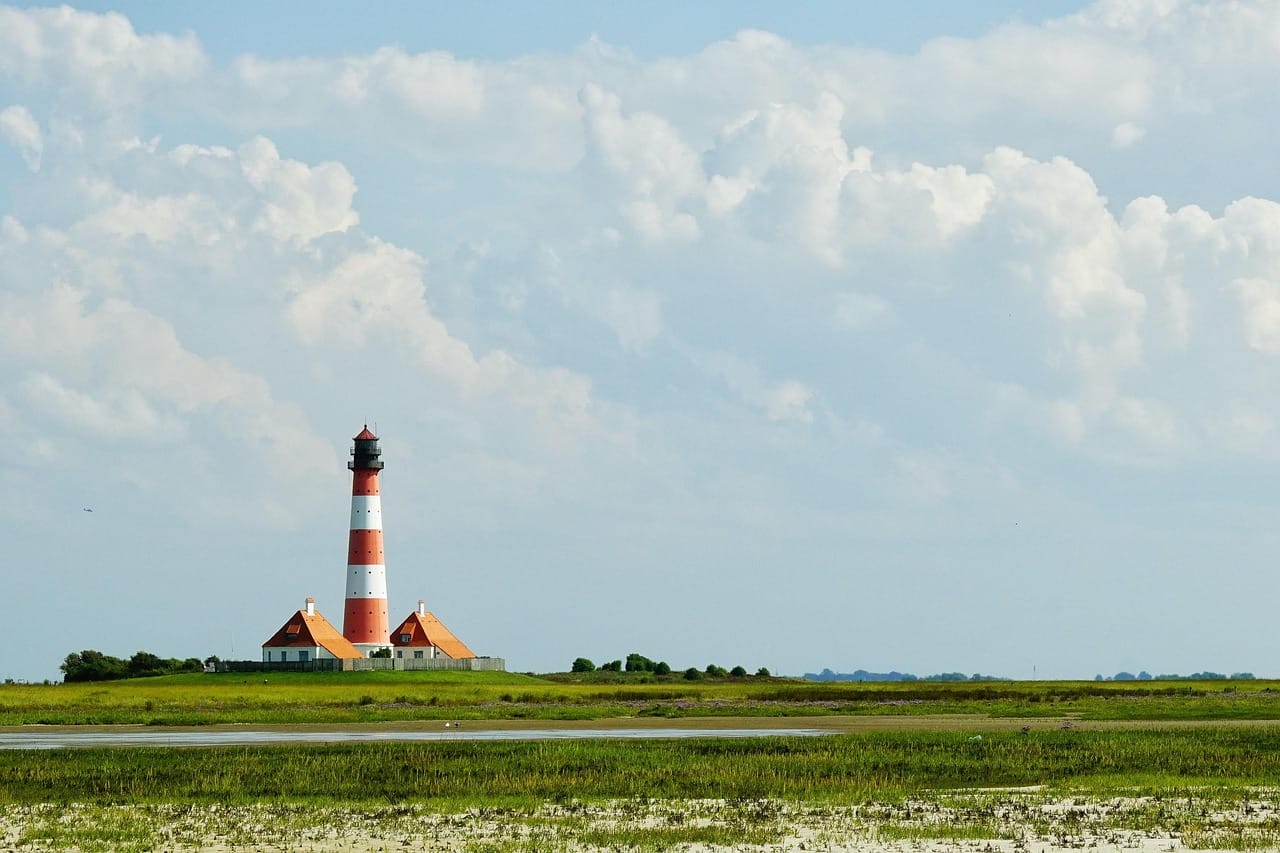
The lighthouse at the end of the bay has been automatic for thirty years, but the keeper's daughter still lives in the cottage beside it. She told me that as a child she could tell the time at night by the sound of the waves on the rocks below her window. "At high tide they are close and soft. At low tide they are far away and sharp. I never needed the clock."
What changed
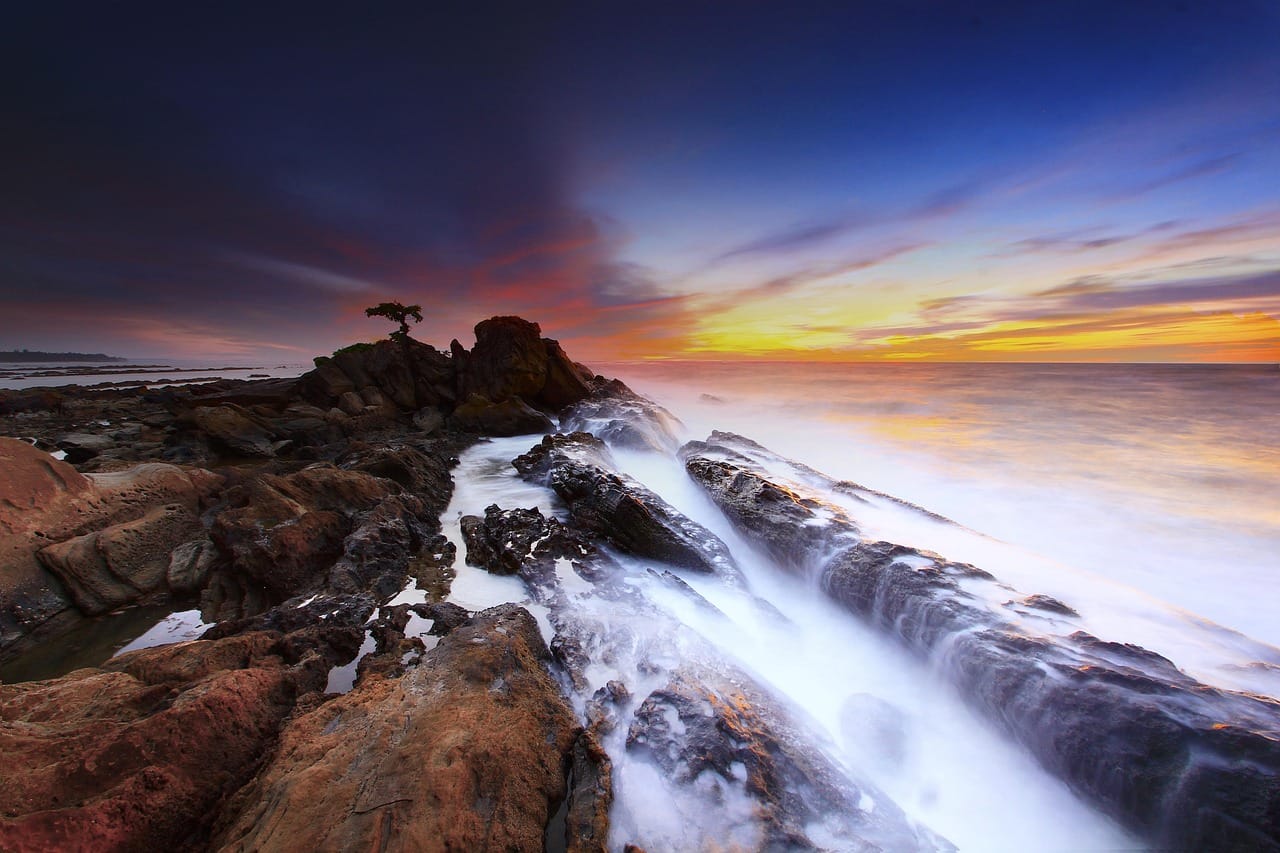
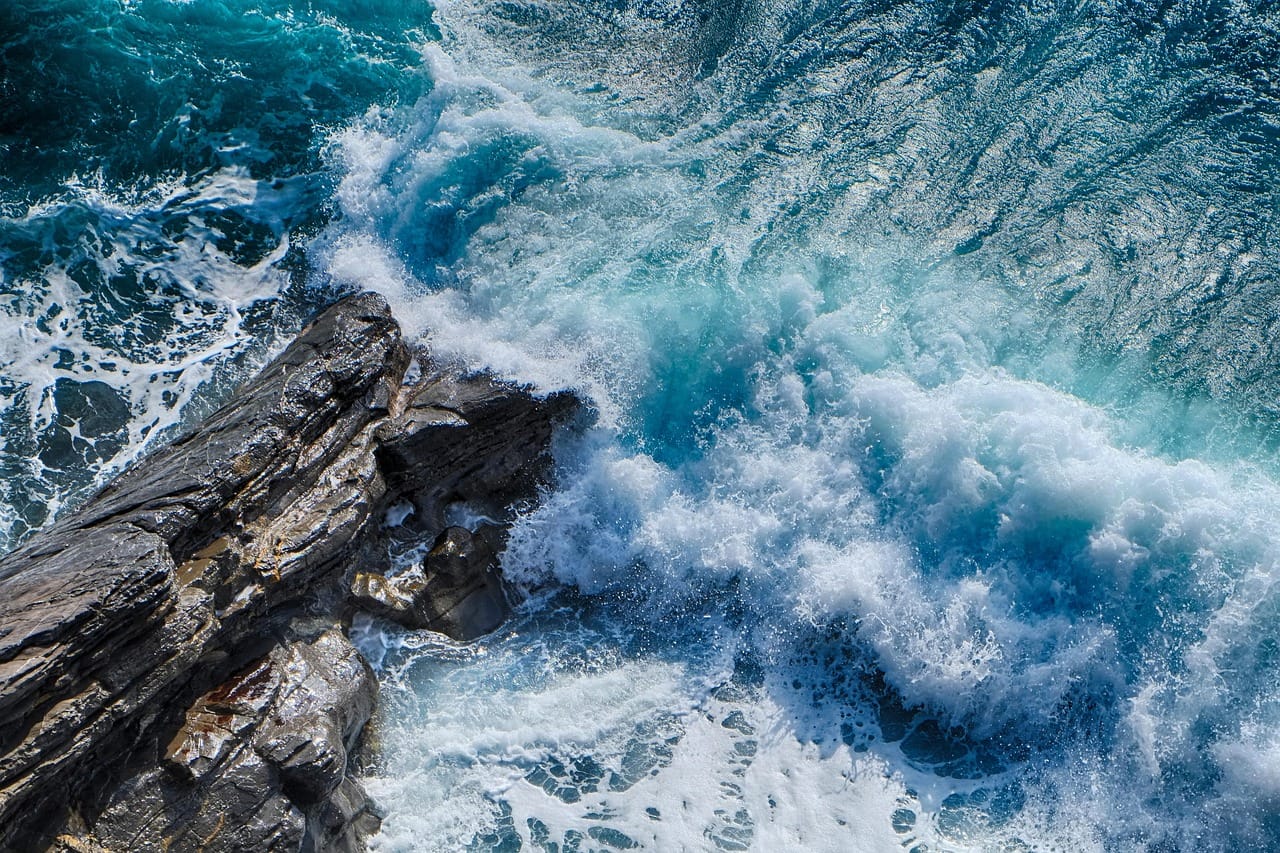
Tourism came, and with it opening hours, bus timetables and the ordinary clock. The fishing fleet is smaller. Most young people work in the town. But the sea is still there, twice a day, fifty minutes later each time. The old people still say "on the ebb" and "on the flood" instead of "in the morning" and "in the afternoon". And the harbour still empties and fills whether anyone is watching or not.
The tide table
Every house in the village used to have a tide table pinned by the door: a small printed booklet from the harbour office, with the times of every high and low water for the year. Dona Amélia still has one, although she no longer needs it. She showed me the booklets she has kept since 1961, in a biscuit tin, each one soft with use.
Some pages have notes in pencil. "Storm, boats stayed in." "João's first catch." "The big tide, water up to the chapel steps." Turning the pages was like reading a diary written by the sea, with a few words added by the people who lived beside it.
The harbour office still prints the booklet. Most people check the tides on their phones now, but the booklet sells out every January, and I brought one home. It is pinned by my door, a thousand kilometres from the sea, and I still look at it most mornings.
Why are tides fifty minutes later each day?
On my last morning the tide was low at dawn. I walked out onto the wet sand as far as I could go, and stood there until the water came back and told me it was time to leave.