The shape of the wind
A line of leaning trees in the Spanish desert, and what they teach about good design.

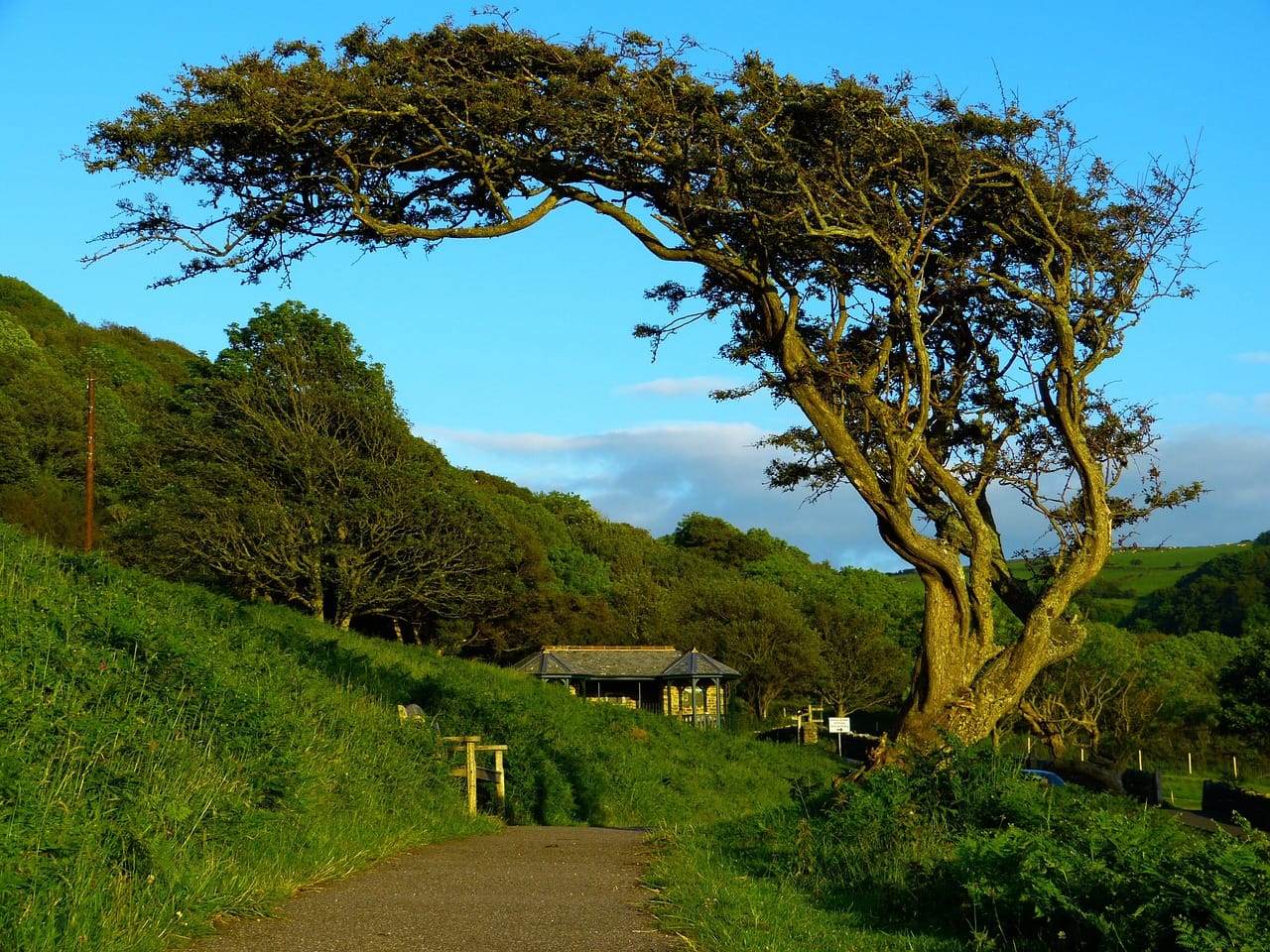
In the desert outside Tabernas in southern Spain, there is a line of trees that all lean the same way. They grow at an angle, bent by the same wind that has blown from the same direction for as long as they have been alive. Nobody designed them. The wind did. I went there to understand why they are so beautiful, and I came back thinking about design.
Forms made by force
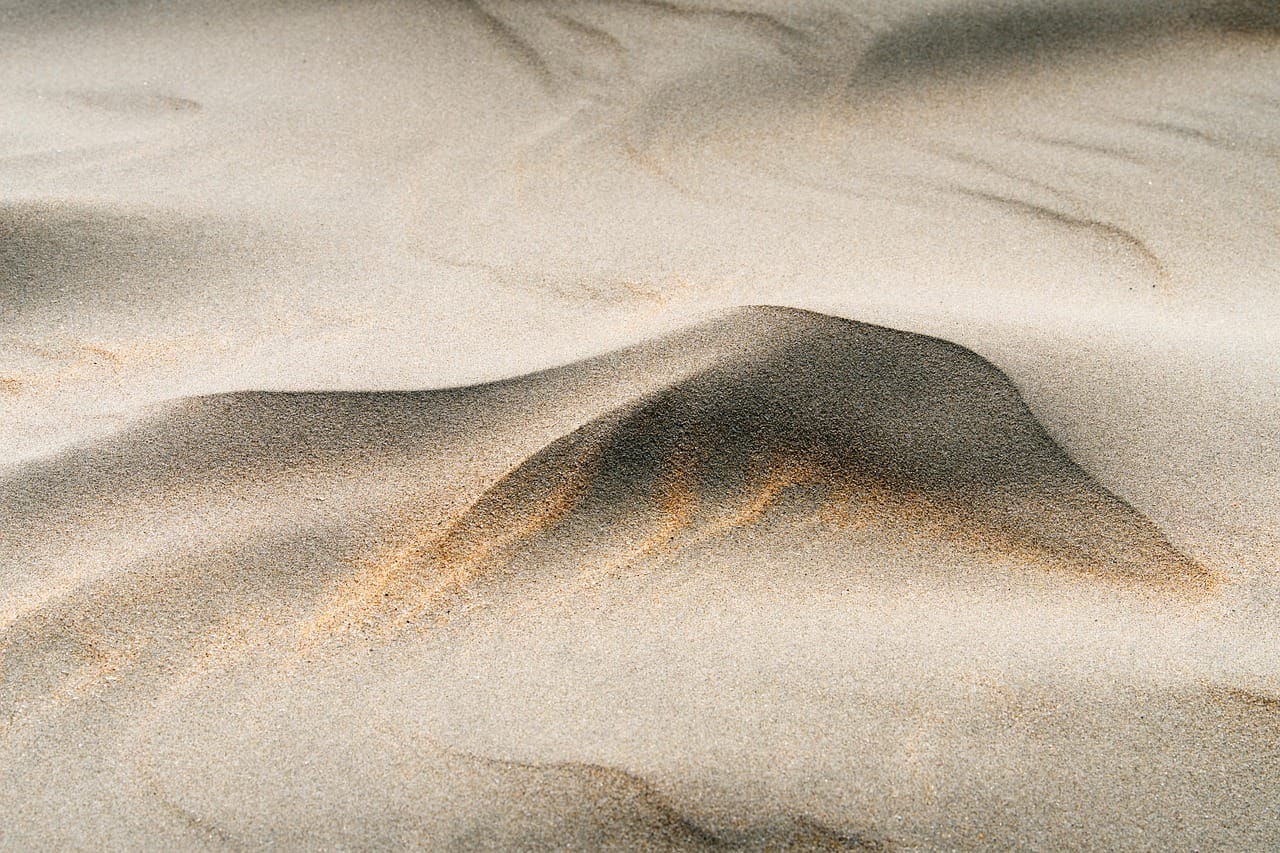
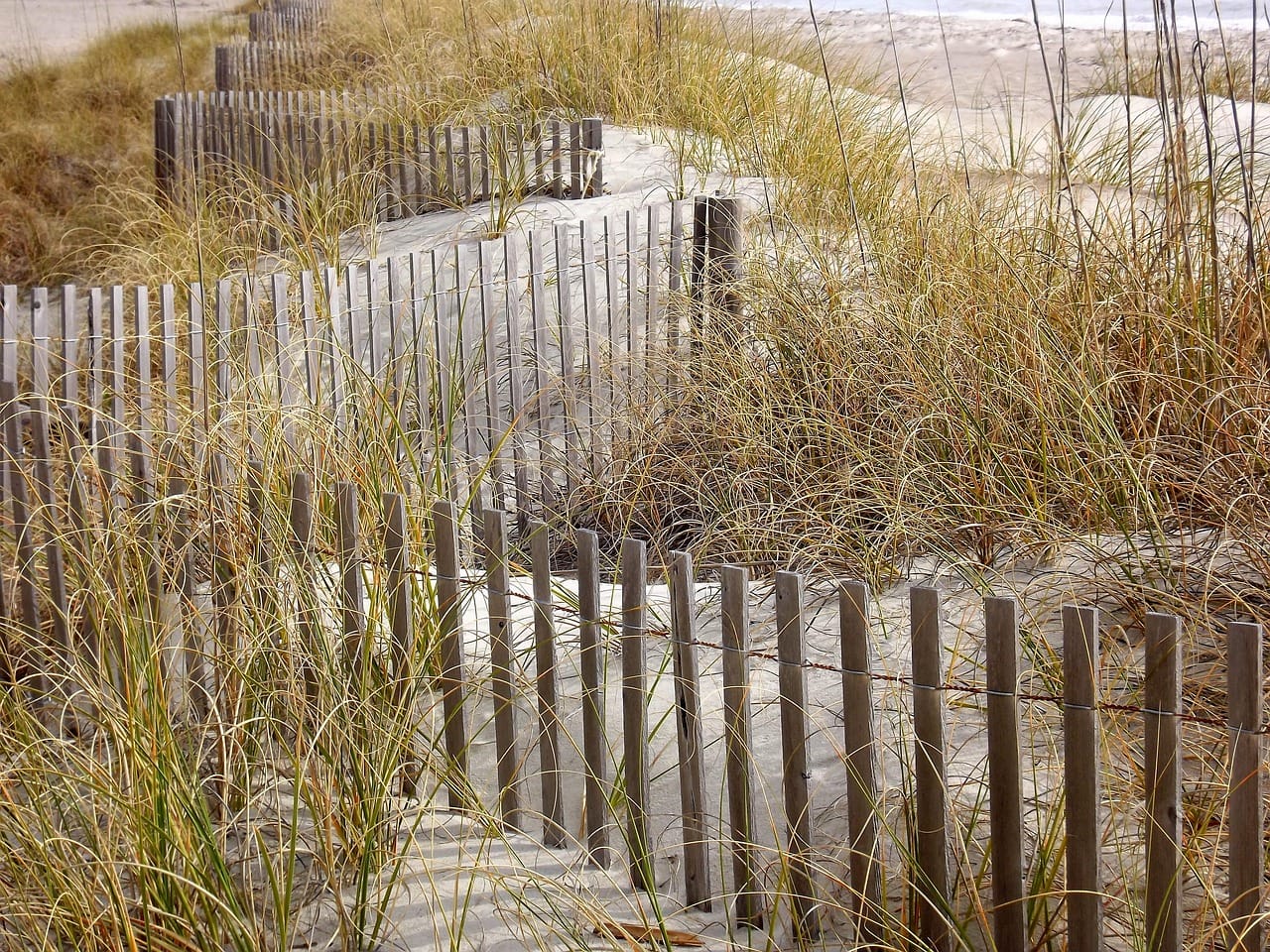
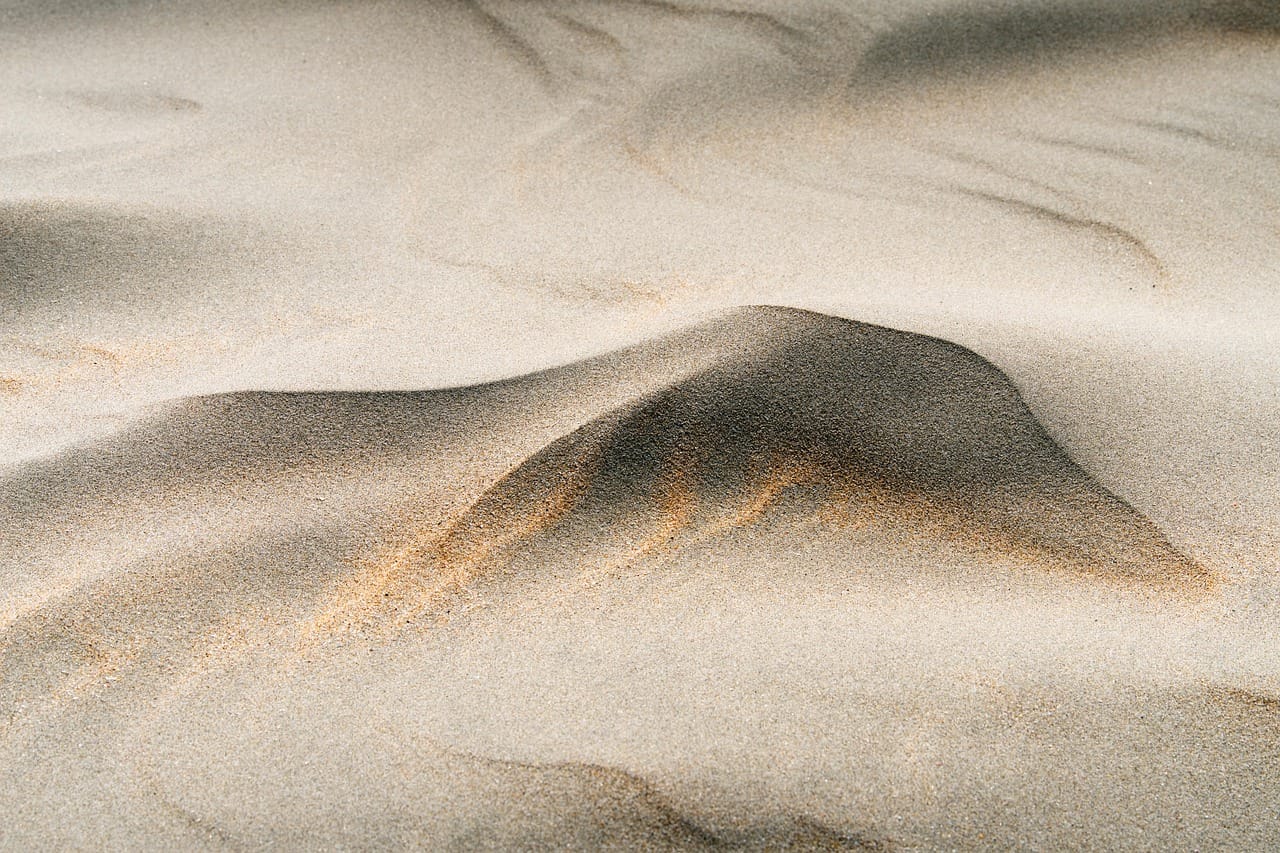
Much of what we find beautiful in nature is shaped by force over time. Sand dunes have a gentle slope on the side the wind comes from and a steep face on the side it leaves. Pebbles are round because water rolled them for centuries. Trees on a coast grow low and swept, holding on. These shapes are not decoration. They are the record of a long negotiation between a material and a force.
Every good form is an answer to a question someone asked for a long time.
a note from an engineering lecture I never forgot
What designers borrow
Engineers have studied these shapes for a long time. The nose of a high-speed train, the curve of a sailing hull and the profile of a wind turbine blade all follow the same rule as the dune: let the force show you the shape. A kettle spout, a chair back or a door handle can work the same way on a smaller scale. The force is the hand, the body, the pour.
The designers I most admire start with the force, not the form. How will this be held? How will it be pushed, pulled, leaned on? They make rough models and test them with hands and weight until the shape settles. Only then do they make it look good, and often by then it already does.
The honesty of it
There is something honest about a form shaped by use. It does not pretend. A worn wooden step has a dip where thousands of feet have landed. A kitchen knife handle darkens where the fingers go. These marks tell you how an object has been lived with.
| Force | Natural form | Designed form |
|---|---|---|
| Wind | Dune, bent tree | Train nose, sail |
| Water | Pebble, river bend | Boat hull, bridge pier |
| Hands | Worn stone, polished wood | Tool handle, door pull |
| Weight | Arch in rock | Chair, stone arch |
A walk in the wind
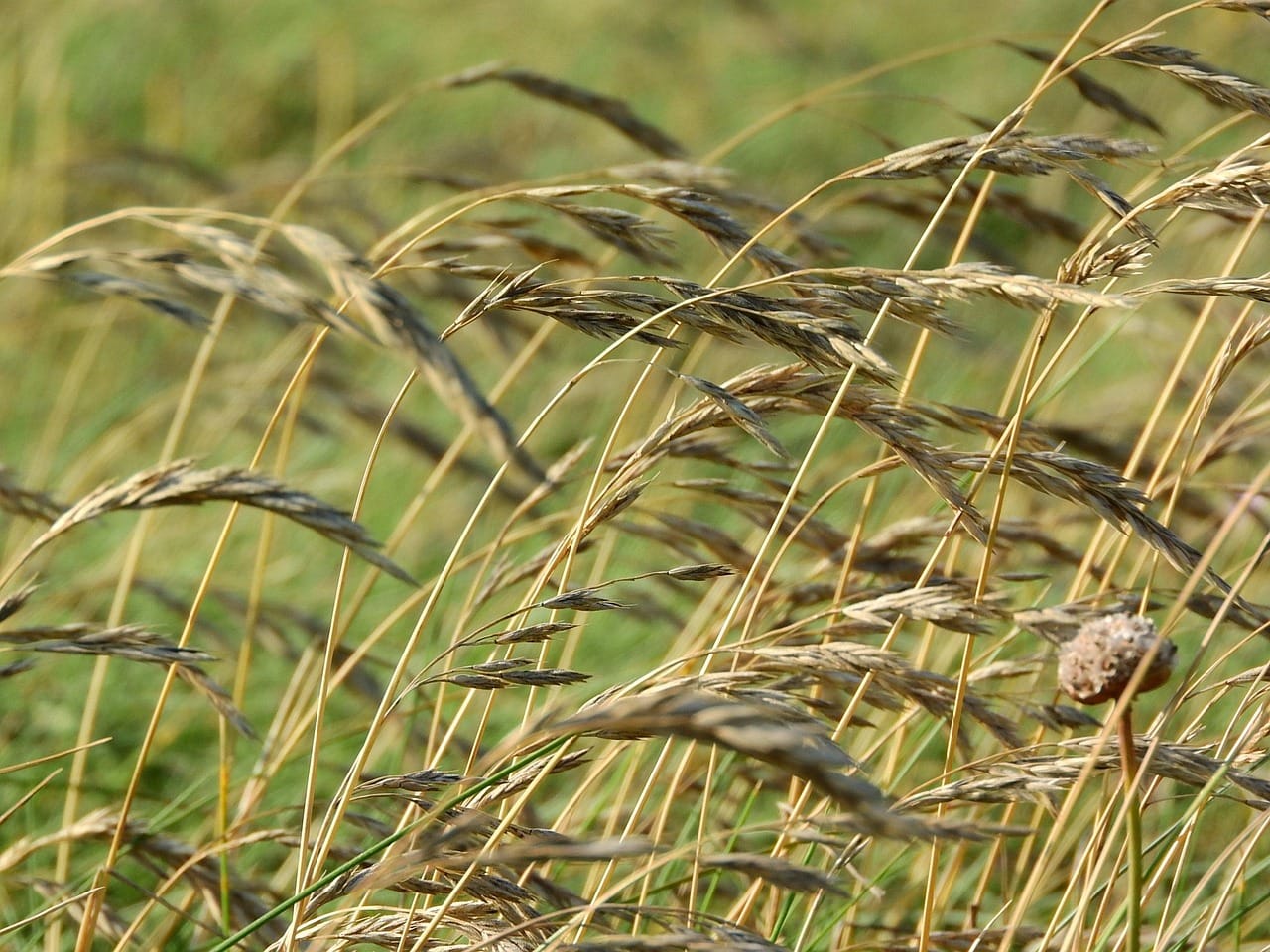
On my last evening I walked up the ridge behind the trees. The wind was strong enough to lean on. I stood the way the trees stood, slightly bent, braced. It is a strange thing to feel in your own body the force that shaped a landscape. It made the trees seem less like objects and more like companions.

Designing with time
Wind shapes trees slowly. Most design today is fast, made to be finished and shipped in weeks. But some of the most loved objects were shaped over generations: the Windsor chair, the Japanese kitchen knife, the Shaker box. Each was refined by many makers, each changing a little, keeping what worked, dropping what did not.
These objects have the same quality as the leaning trees. They look inevitable, as if they could not have any other shape. That is because, in a sense, they could not: thousands of hands and years of use have pushed them into the one shape that works.
A designer cannot wait a century. But a designer can borrow the method: make, use, adjust, and make again. Live with a prototype for a month before deciding. Watch how people actually hold the thing. Let use, not the first sketch, have the last word.
Is this just about nature?
The trees at Tabernas will keep leaning for as long as the wind blows. They are not beautiful despite the wind. They are beautiful because of it.