The bread that took three days
A sourdough loaf, a jam jar of starter and the discovery that time is an ingredient.

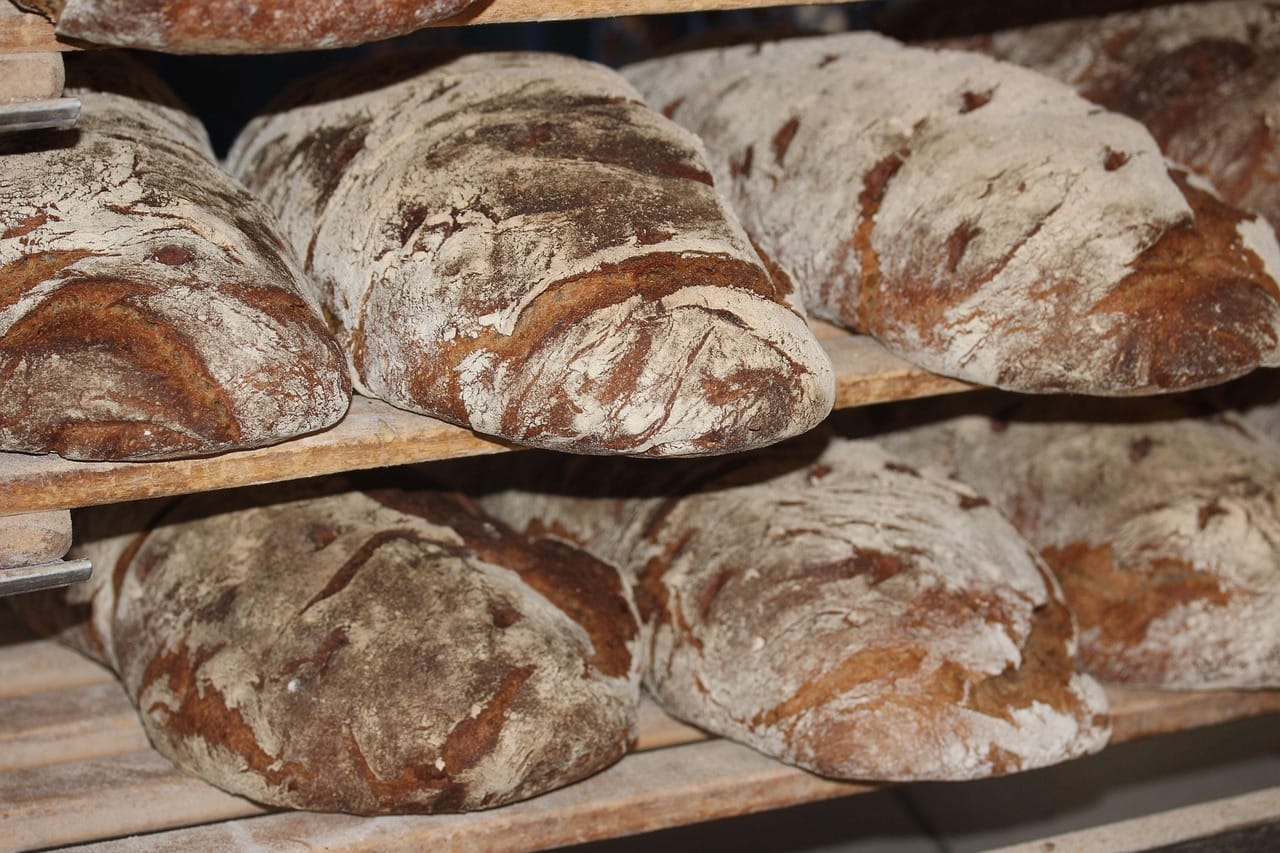
The recipe said three days, and I laughed. Three days for a loaf of bread? But a baker in Oaxaca had told me that the best bread takes time, not effort, and I wanted to find out what she meant. So I cleared my weekend and started on Thursday night.
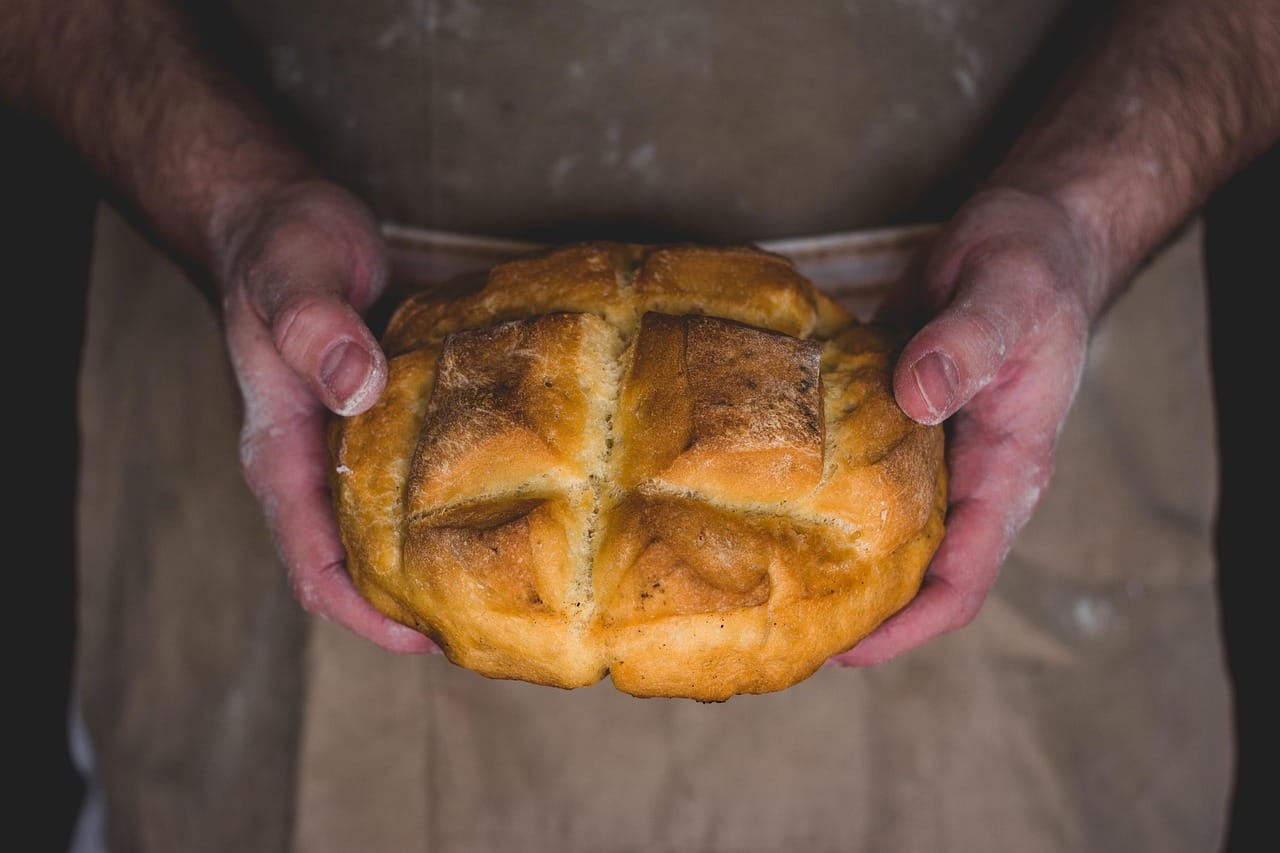
Thursday: the starter
Sourdough bread rises with a starter: a living mix of flour and water full of wild yeast and bacteria. Mine came from a friend, in a jam jar, with instructions written on the lid. On Thursday night I fed it — equal weights of flour and water — and left it on the kitchen counter. By Friday morning it had doubled and smelled of yoghurt and green apples.
Feed it when it is hungry, use it when it is happy.
the instructions on the lid
Friday: mixing and folding
On Friday I mixed the flour and water and left them alone for an hour. This rest, the autolyse, lets the flour drink the water and start building gluten by itself. Then I added the starter and salt, and began the folds: every half hour, four times, I stretched the dough up and folded it over itself. No kneading. The dough went from shaggy to smooth to something that felt alive under my hands.
| Step | Time | What happens |
|---|---|---|
| Feed the starter | Thursday night | Yeast wakes up |
| Mix flour and water | Friday, 9:00 | Flour absorbs water |
| Add starter and salt | Friday, 10:00 | Fermentation begins |
| Four folds | Friday, 10:00–12:00 | Gluten builds strength |
| Rise at room temperature | Friday, afternoon | Dough grows by half |
| Shape, then fridge | Friday evening | Slow, cold rise overnight |
| Bake | Saturday morning | Crust, colour, crumb |
Friday night: the cold
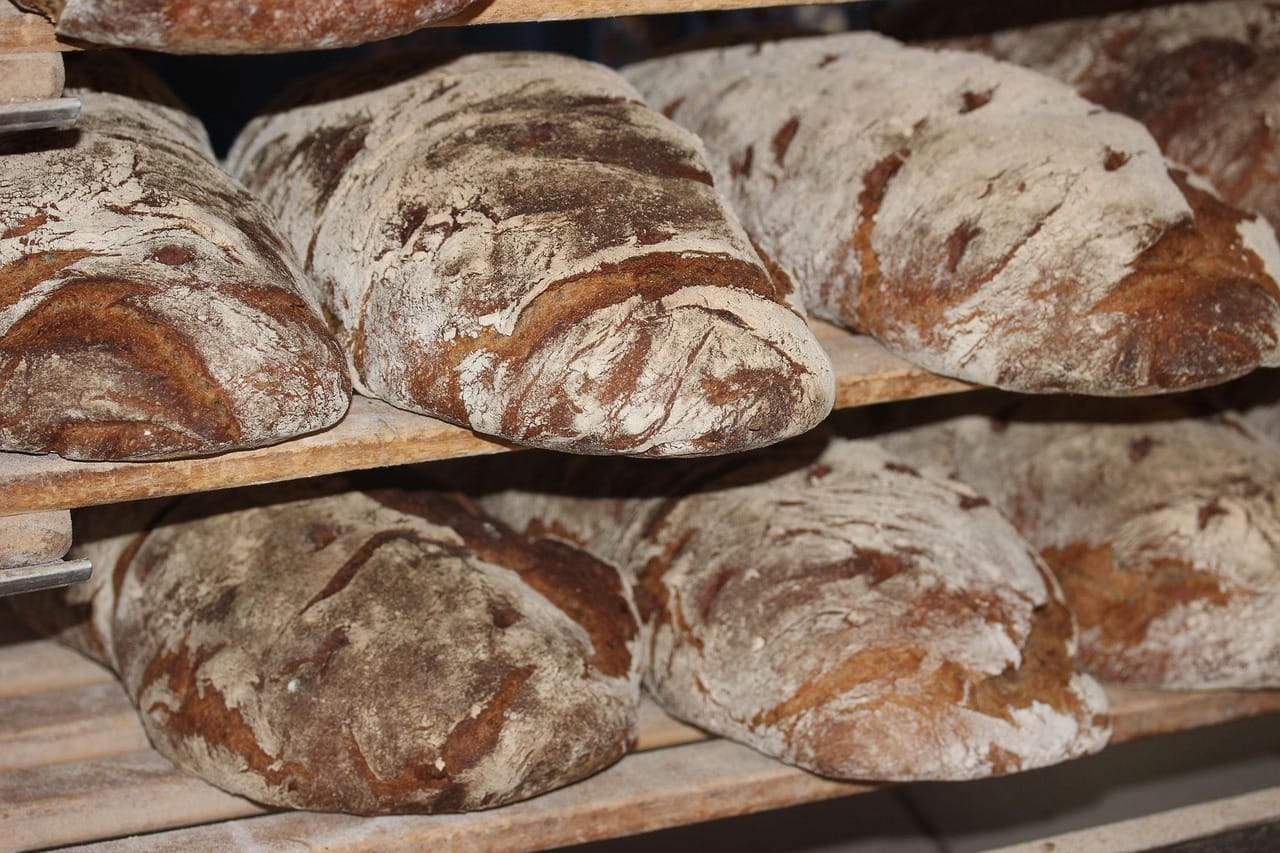
After a long rise at room temperature, I shaped the dough into a tight round, put it in a floured basket and put it in the fridge overnight. The cold slows the yeast but lets the bacteria keep working, which gives sourdough its flavour. This is where the three days come from. Most of the time, the bread is doing the work, and you are asleep.
Saturday: the bake
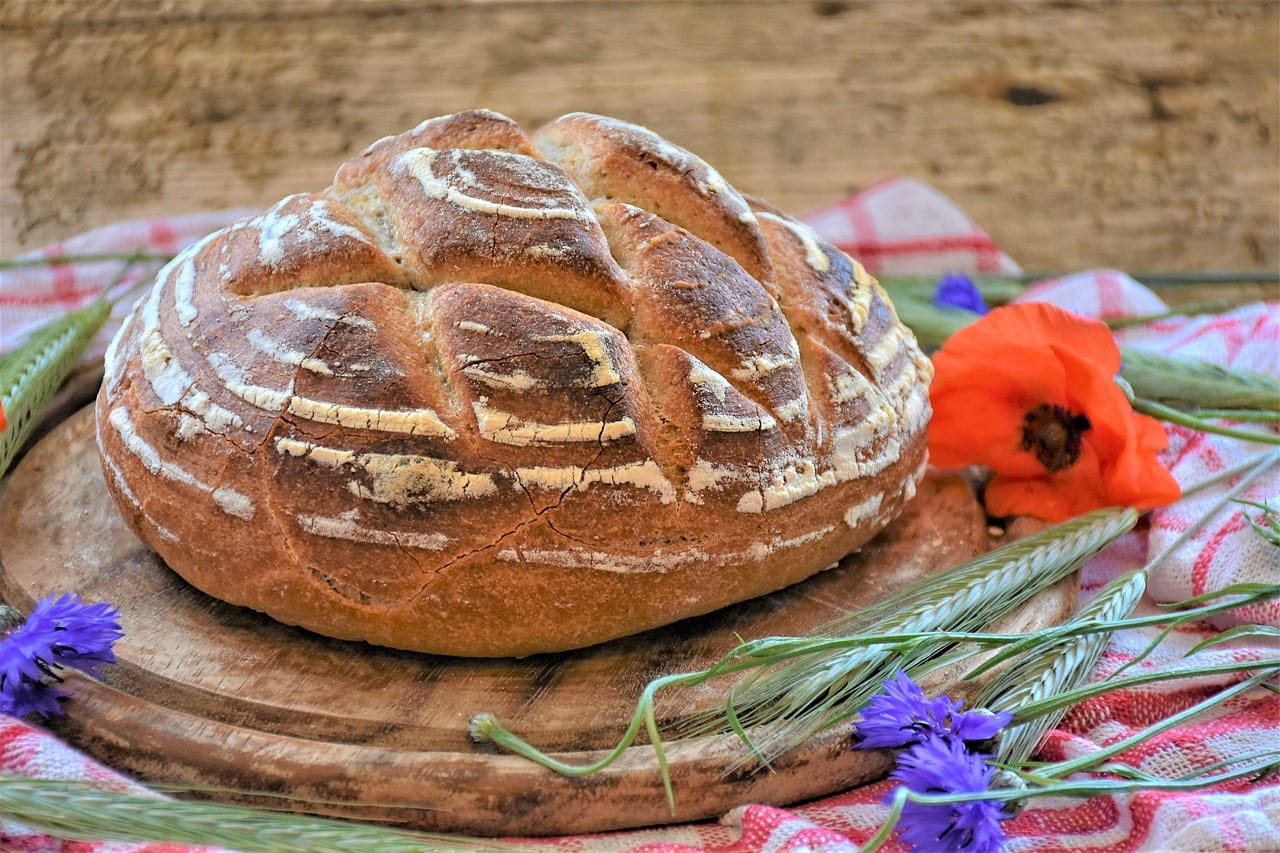
I heated a heavy pot in the oven for an hour, as hot as the oven would go. I tipped the dough onto paper, cut a line across the top with a razor, lowered it into the pot and put the lid on. The lid traps steam, which keeps the crust soft long enough for the loaf to spring up. After twenty minutes I took the lid off and let the crust turn deep brown.
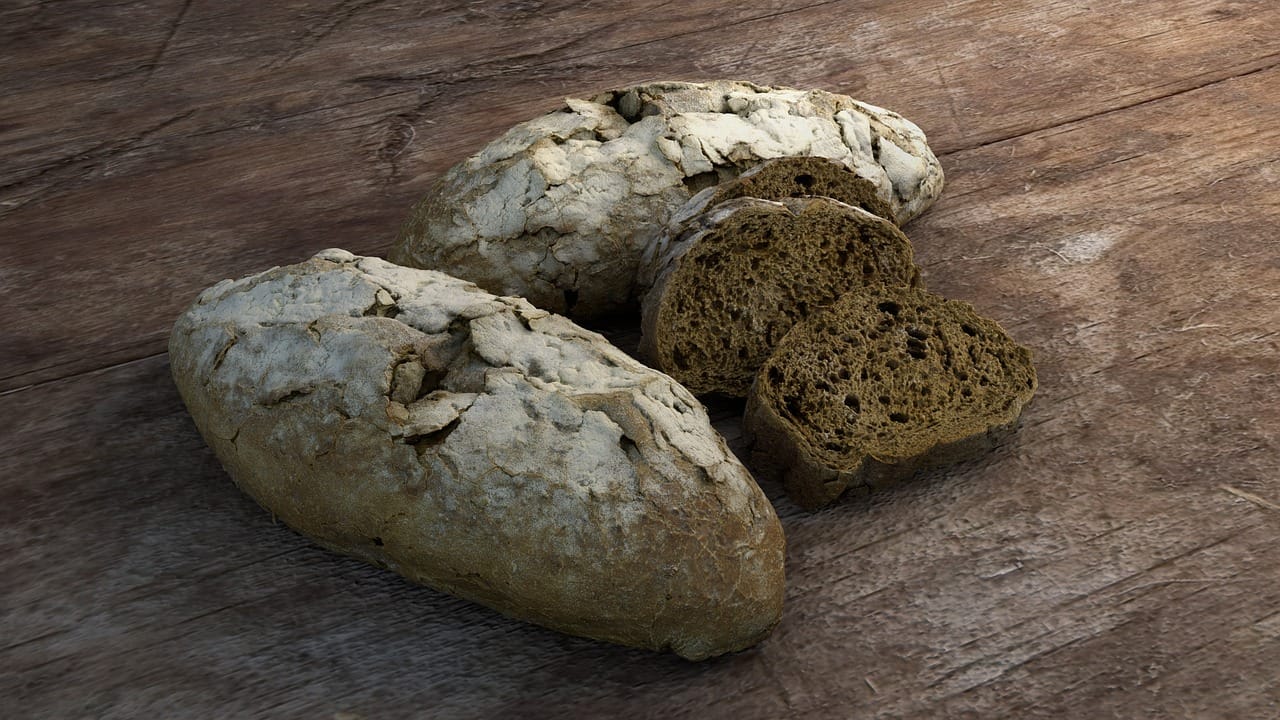
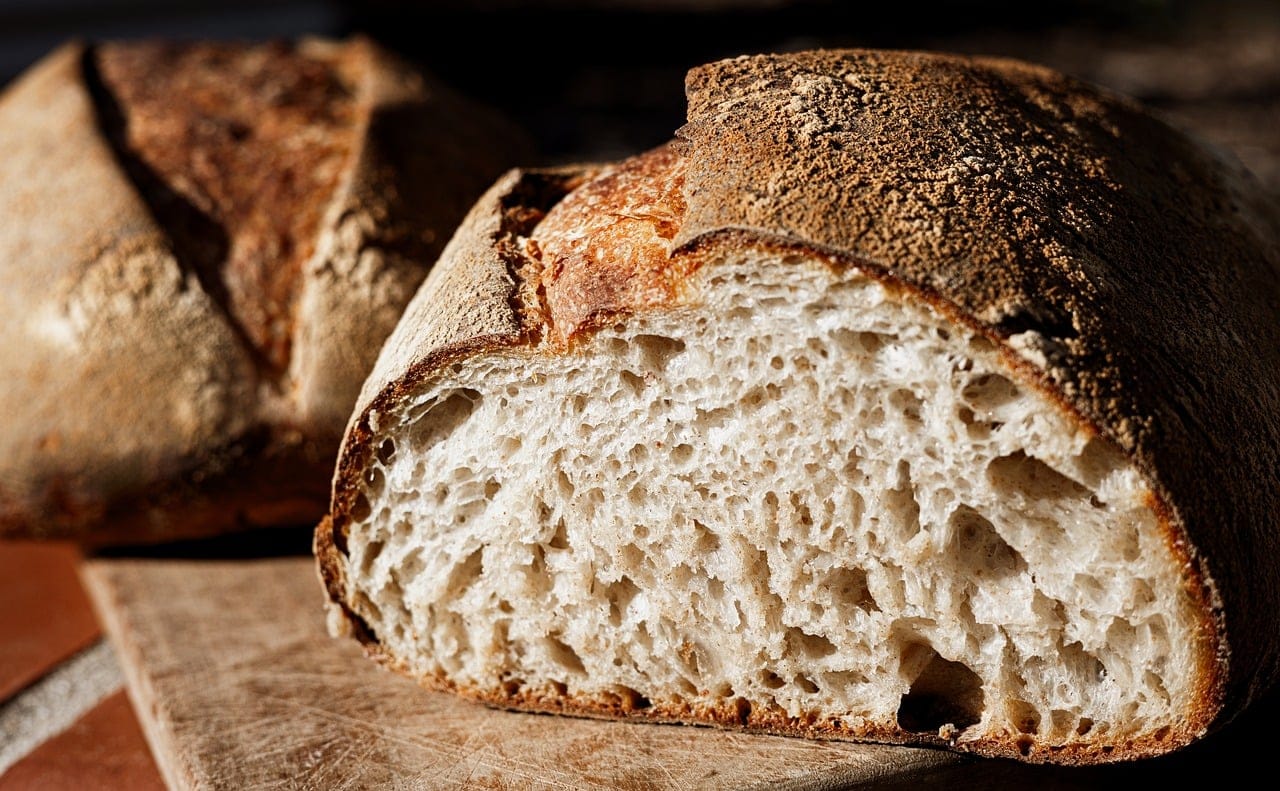
The hardest part was the last: waiting an hour for the loaf to cool before cutting it. The inside keeps cooking as it cools, and cutting too early makes it gummy.
What the baker meant
The loaf was not perfect. The top was a little flat and one side was darker than the other. But it was the best bread I have ever made, and I understood what the baker in Oaxaca had meant. The effort was small: a few minutes here and there. The time was long. And time, it turns out, is an ingredient.
Bread and neighbours
A sourdough loaf is too big for one person, and so baking it every weekend has made me better friends with my neighbours. On Saturday afternoons I leave half a loaf on the wall between our gardens. After a few weeks, things started appearing in return: eggs, a jar of marmalade, tomatoes, once a bunch of flowers with a note that said "your bread is our Sunday breakfast".
This is, of course, what bread has always done. The word "companion" comes from Latin words meaning "with bread": the person you share bread with. Village bakeries were meeting places, and the smell of a bakery at dawn still makes almost anyone slow down.
The baker in Oaxaca would not be surprised. When I told her about the loaf on the wall, she wrote back one line: "Of course. Bread is for giving away."
Can I make it faster?
I have baked every weekend since. The jam jar lives next to the kettle now, and I feed it when it is hungry.