Rooms that let you breathe
A year-long list of calm rooms, and the four things they all had in common.

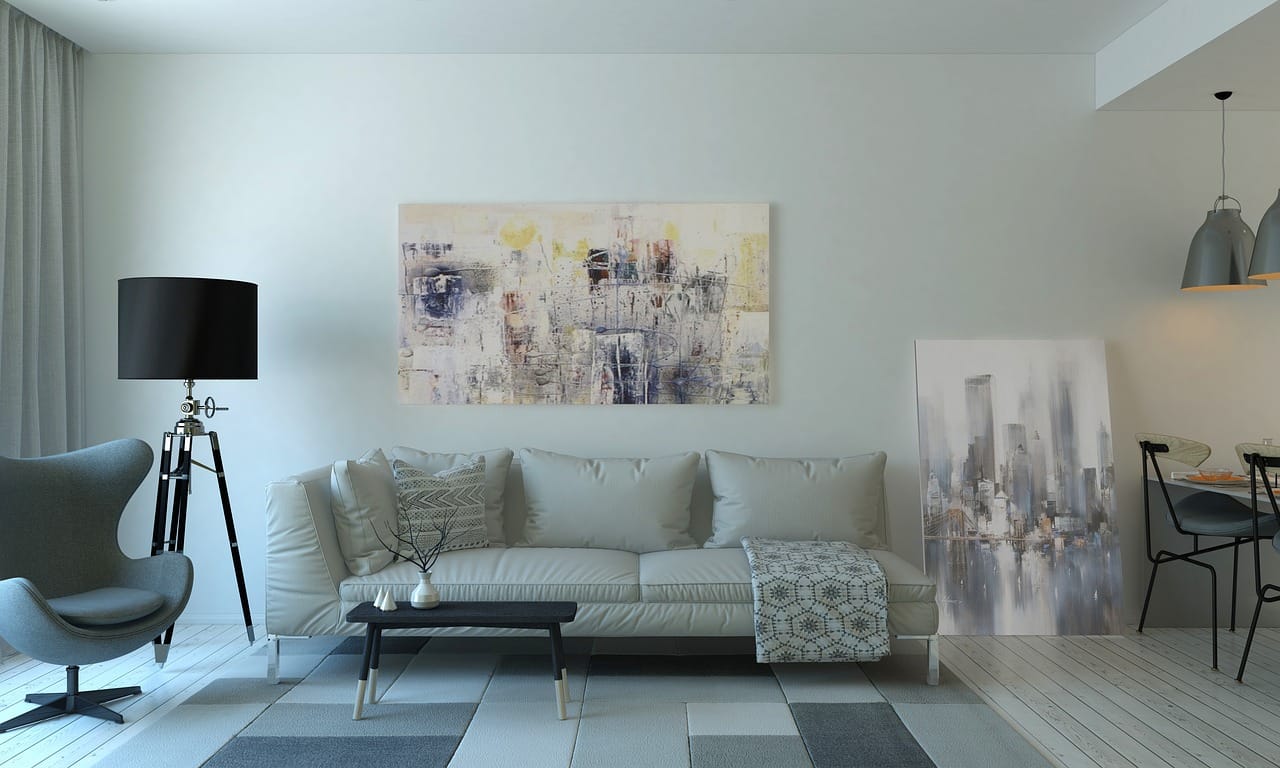
Some rooms make you breathe out as soon as you walk in. Others make you tense your shoulders without knowing why. For a year I kept a list of rooms in the first group — friends' kitchens, hotel bedrooms, a library in Porto, a dentist's waiting room, surprisingly — and tried to work out what they had in common.
Space left over
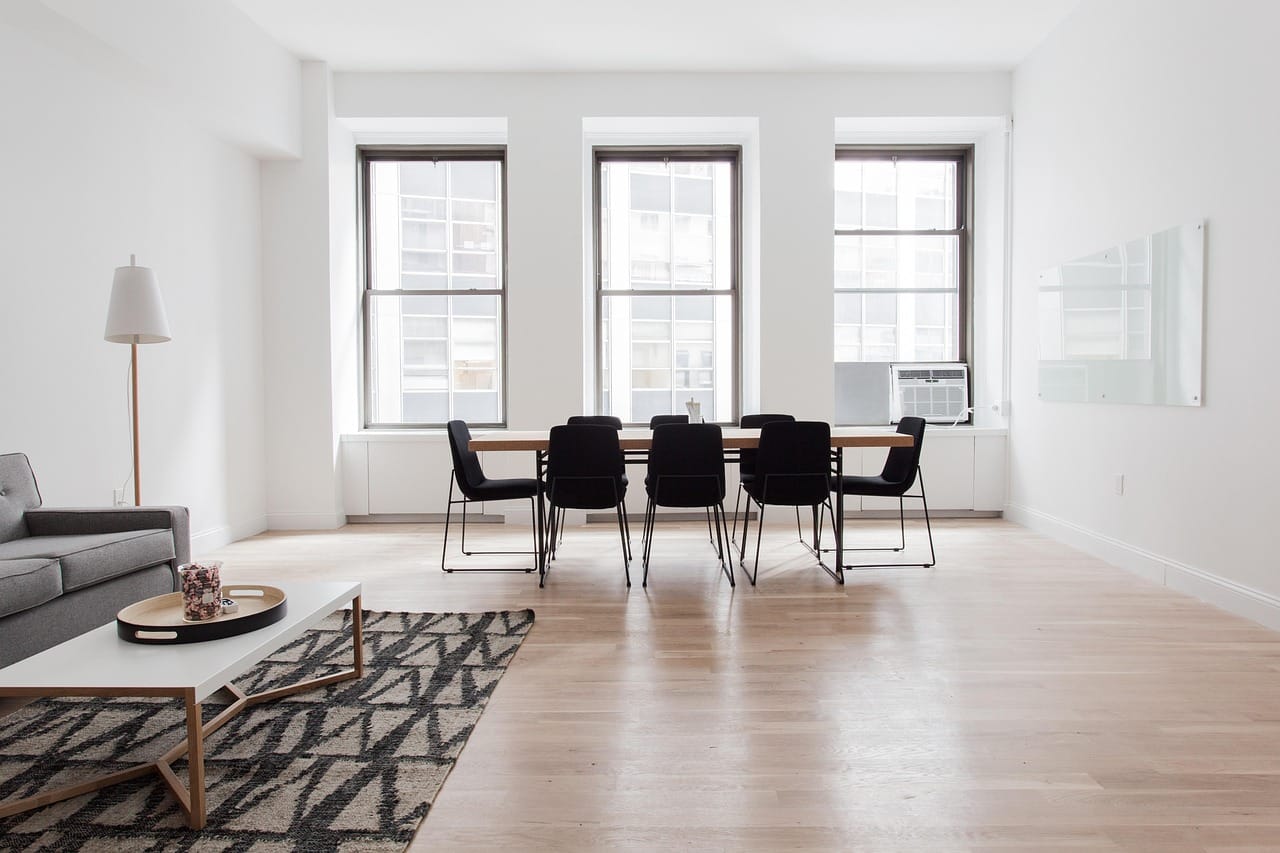
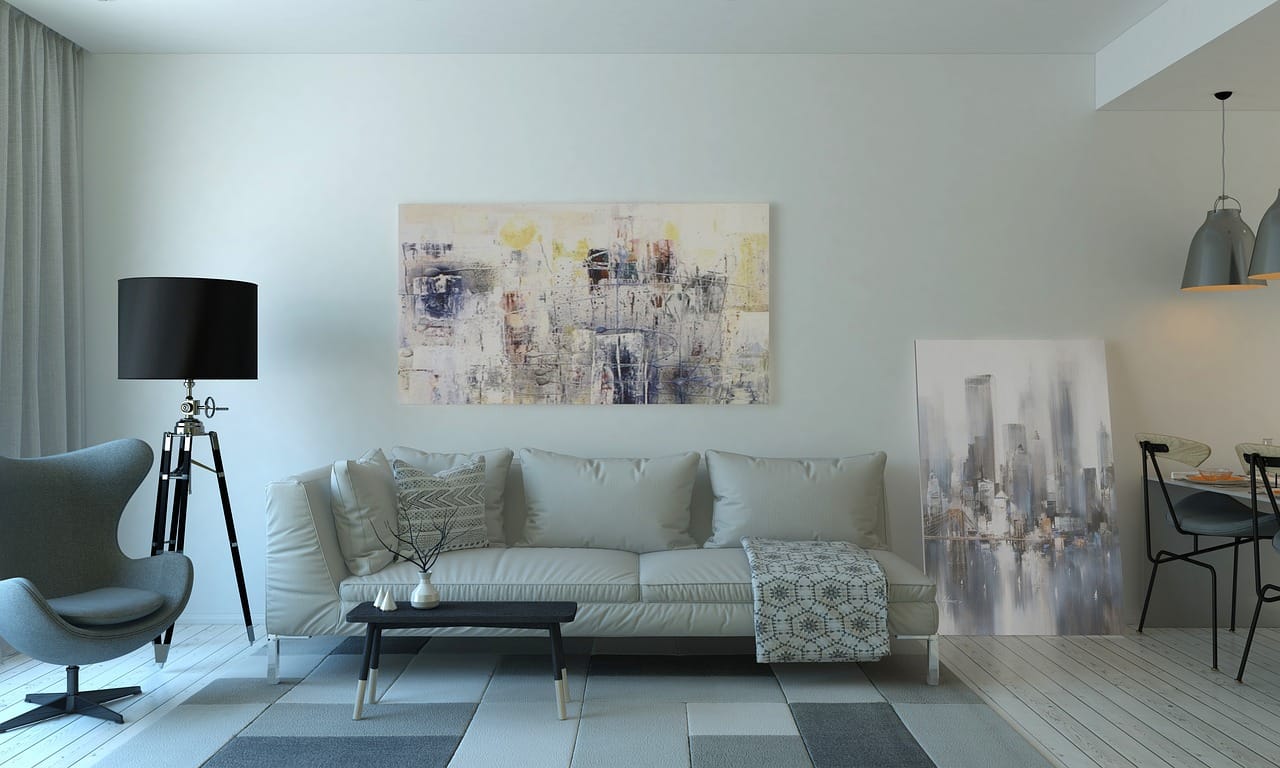
The first thing was simple: every calm room had more space than it needed. Not larger rooms, but rooms with less in them. Empty floor around the furniture. A wall with nothing on it. A shelf half full. The emptiness was not a lack; it gave the eye somewhere to rest.
A room needs somewhere for your eyes to sit down.
my friend Clara, who is an interior designer and says things like this
Light from more than one side
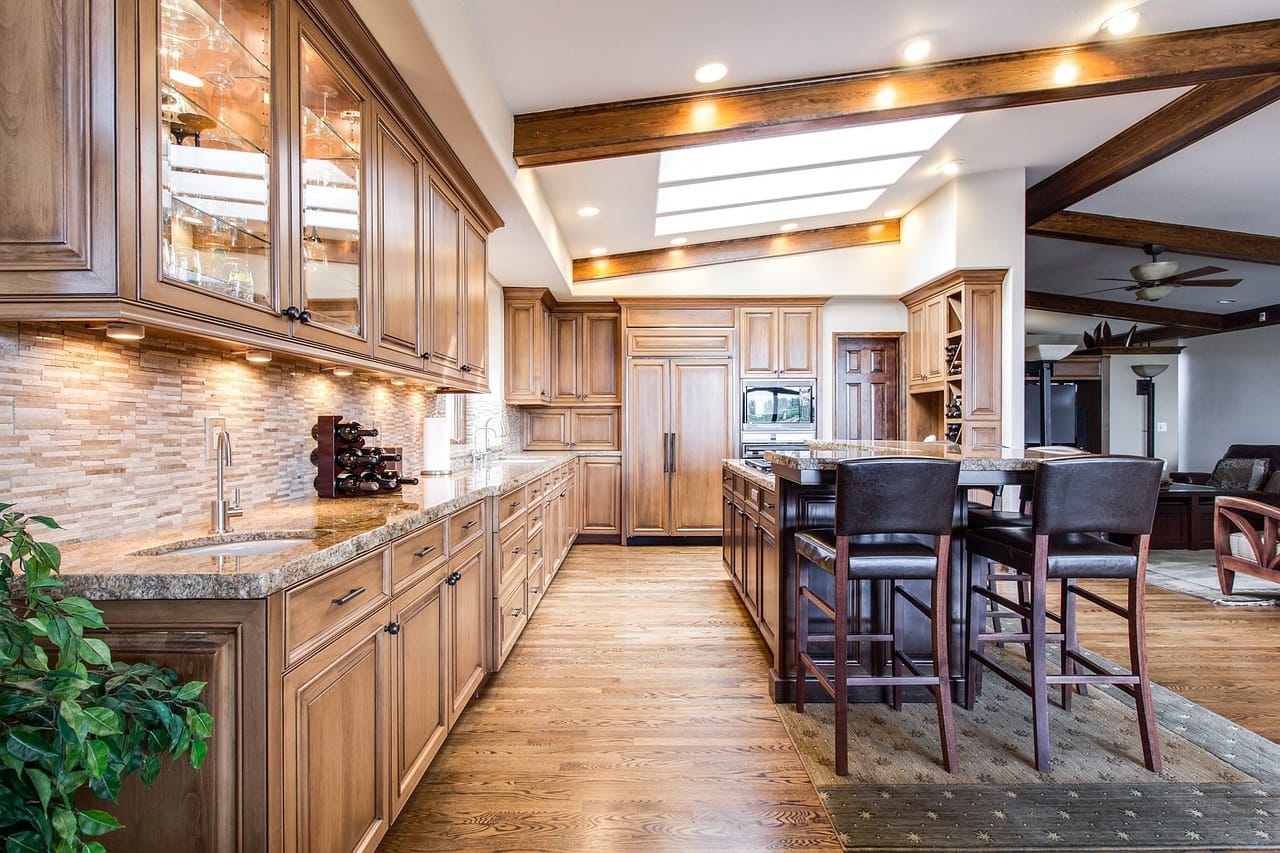
The second was light. Almost every room on my list had windows on two walls, or a window and a skylight, or at least a lamp placed to balance the window. Light from one side makes strong shadows and a sense of a "front" and a "back" to the room. Light from two sides is softer and makes a room feel evenly alive.
Materials you want to touch
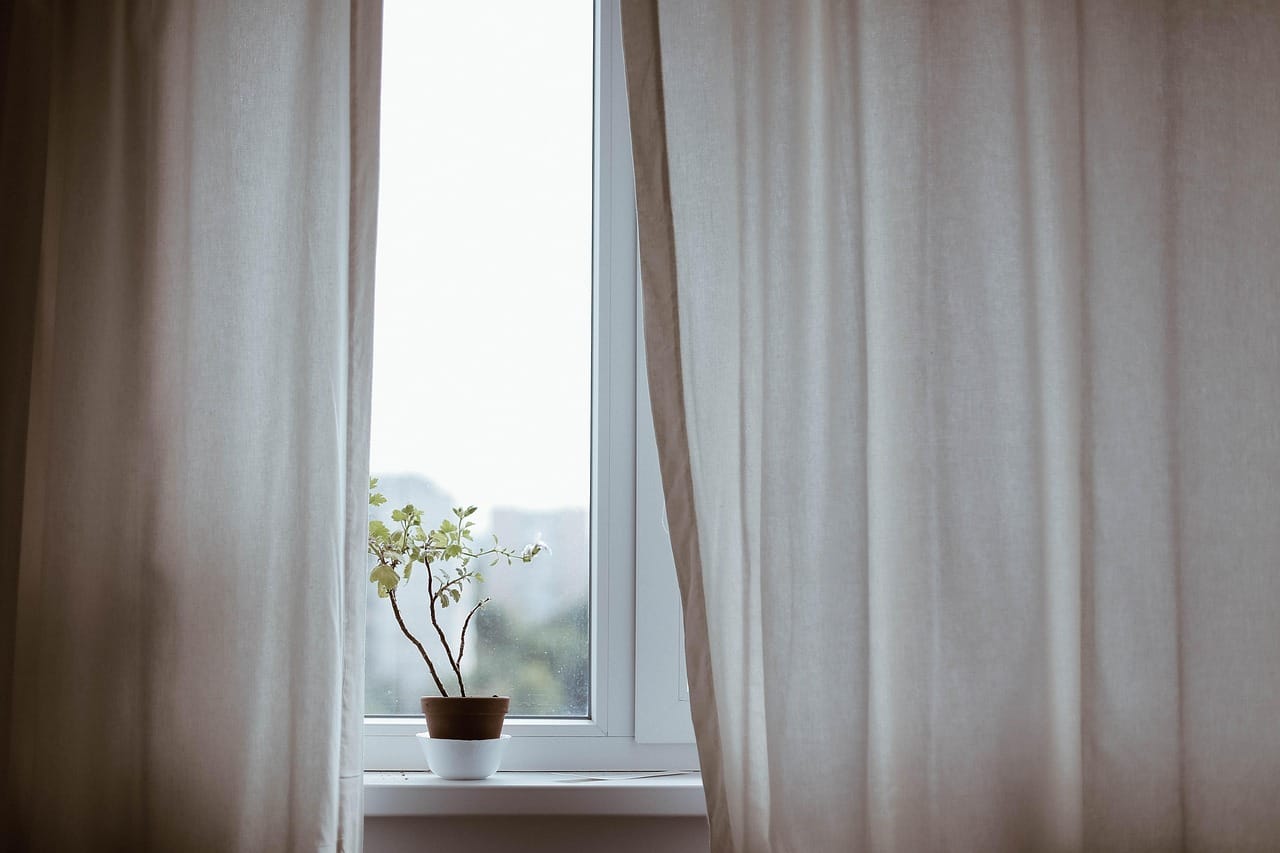
The third was touch. Wood that had been oiled, not varnished. Linen, wool, stone, clay. Materials that change a little with use and age. Plastic and gloss rarely appeared on my list; not because they are bad, but because they do not invite the hand, and a room that invites the hand invites you to stay.
| What calm rooms had | What tense rooms had |
|---|---|
| Empty floor and walls | Every surface used |
| Light from two sides | One bright ceiling light |
| Natural, touchable materials | Gloss and hard edges |
| One thing to look at | Many things competing |
| Places to sit that face the window | Seats that face the television |
One thing to look at
The fourth surprised me. Calm rooms usually had one thing to look at: a tree outside, a painting, a big plant, a fireplace. Tense rooms had many things competing. When everything asks for attention, nothing gets it, and your eyes keep moving.
Trying it at home
I did not redecorate. I did three things over a weekend. I removed about a third of the objects from the living room and put them in a box. I moved a lamp so the room had light from two sides in the evening. I turned one armchair to face the window instead of the room.

The box is still in the cupboard, a year later. I have not missed anything in it.
Sound and smell
My list had a fifth quality I noticed only late: calm rooms were quiet in a particular way. Not silent, but soft. Rugs, curtains, books and upholstered chairs absorb sound, so voices do not bounce. Hard, empty rooms with glass and tile echo, and an echo makes us slightly alert, the way we are in a station or a hospital corridor.
Smell mattered too, although people rarely mention it. Wood, beeswax, bread, coffee, fresh air from an open window. Several of the calmest rooms simply had a window open for a few minutes every morning, whatever the weather.
Neither sound nor smell shows in photographs, which may be why so many rooms designed for pictures feel strange to live in. A room is not an image. It is a place you spend hours with your whole body, and the body notices everything.
Isn't this just minimalism?
The dentist's waiting room, by the way, had one large window, a wooden bench and a single enormous plant. I have never been so relaxed before a filling.