How I write: mornings, coffee and paper
No secret, no trick: one protected hour, a notebook and a sentence left unfinished.


People often ask writers about their routines, as if there were a secret. I used to read every interview I could find, hoping for the trick. There is no trick. But there is a routine, and after fifteen years mine has settled into something simple enough to describe on one page.

Six o'clock: coffee, then paper
I get up at six, before the house is awake. I make one cup of coffee, strong, in a small pot. I do not look at my phone. This is the most important rule, and the one I break most often. Once I have read one email, the day belongs to someone else.
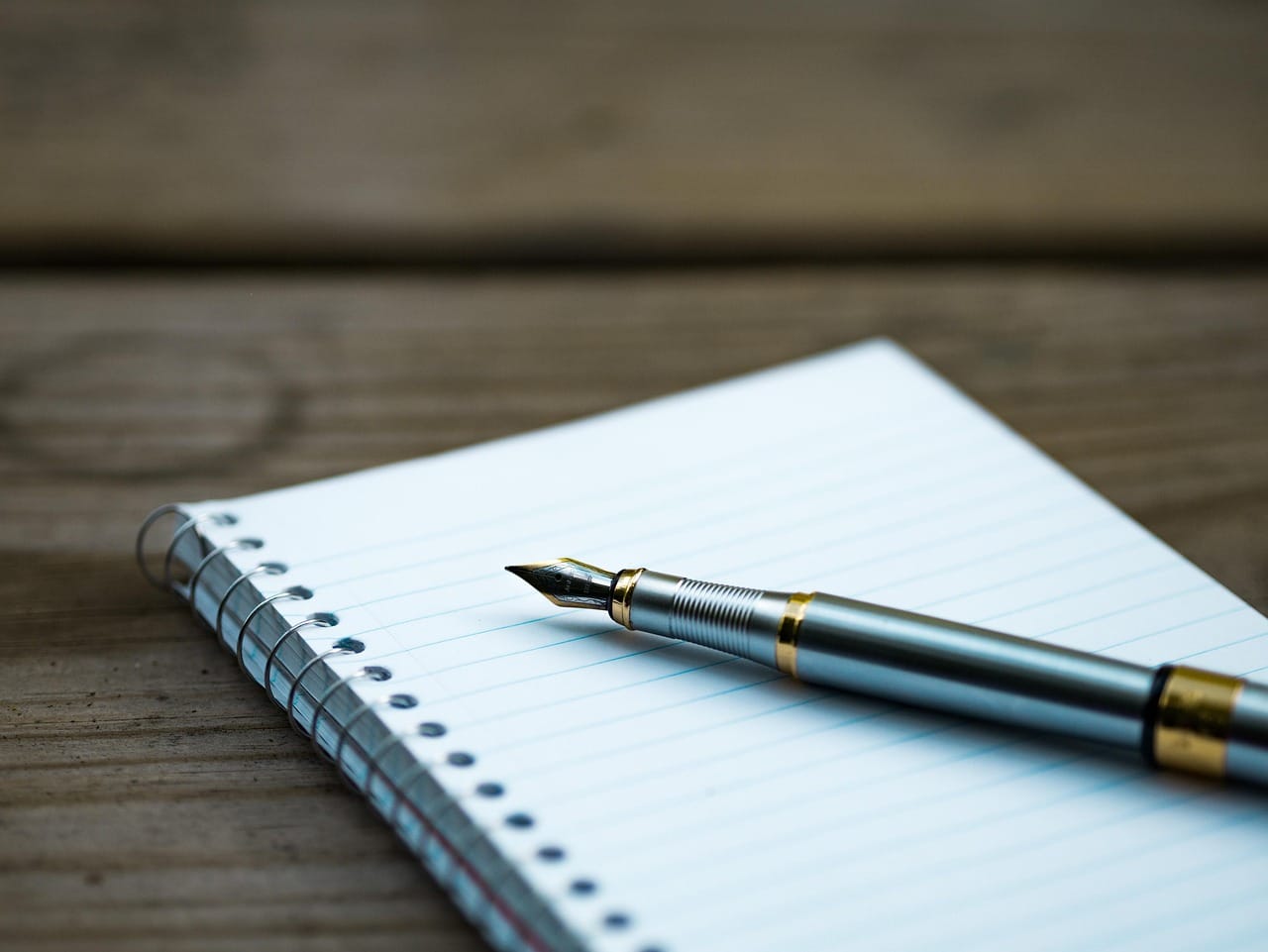
I start on paper, not on a screen. A cheap notebook, a pen I like. For the first twenty minutes I write anything: a list of what I dreamed, a complaint about the weather, the sentence I could not get right yesterday. It is warming up, like a runner jogging before a race.
The first pages are not for anyone. They are for getting the pipes to run clear.
a note in my notebook, 2019
Seven o'clock: the real work
By seven I move to the computer and work on whatever is due. I work in blocks of fifty minutes with a ten-minute break, which I spend walking around the garden or washing up. I do not listen to music with words. I do not open a browser unless I need to check a fact, and when I do, I write the fact on paper first so I do not wander.
| Time | What I do | Rule |
|---|---|---|
| 06:00 | Coffee and paper | No phone |
| 07:00 | First writing block | No browser |
| 08:00 | Second block | Walk in the break |
| 09:00 | Stop, breakfast | Leave a sentence unfinished |
Leave a sentence unfinished
I stop at nine, even when it is going well. Especially when it is going well. I stop in the middle of a sentence I know how to finish. The next morning, I do not have to face a blank page; I have half a sentence waiting for me, and finishing it pulls me straight back into the work. I learned this from an old interview with a novelist, and it is the single most useful habit I have.
What about the rest of the day?
The afternoons are for everything else: email, editing, reading, errands, calls. I am not a precious person about the mornings, but I am protective. Three hours of real writing a day is enough to finish a book in a year. Most people who say they have no time to write have one hour they could protect. It is usually the first one.

Reading as part of writing
The other half of my routine happens in the evening, and it is reading. Not reading for research, but reading for pleasure, with a pencil. I underline sentences I admire and write a small tick in the margin when a paragraph does something I want to learn: a clean transition, a surprising verb, a scene that ends one line earlier than I would have ended it.
Once a week I copy two or three of those sentences by hand into the back of my notebook. Copying slowly shows you how a sentence is built in a way that reading never does. You feel where the commas fall, where the weight sits, how short the short sentences are.
Many writers I admire say the same: you cannot write well without reading a lot, and you cannot read well without slowing down. The morning is for writing. The evening is for learning how.